

American Horse Iroquois Wins English Derby in Historic 1881 Victory
1881Epsom, England
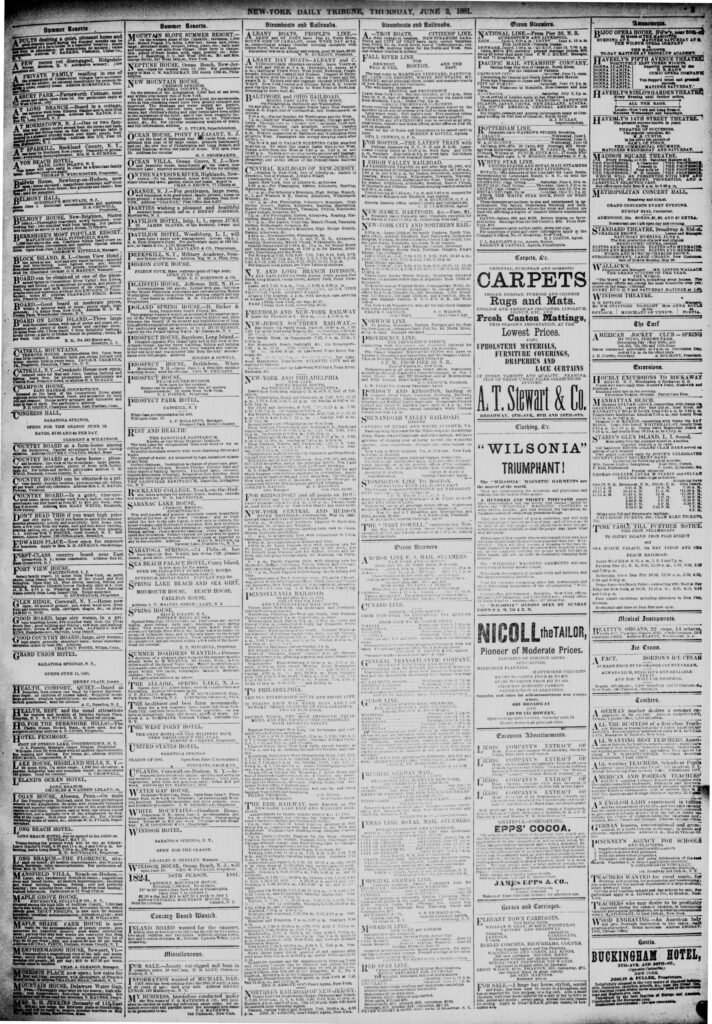
On a rain-soaked Wednesday afternoon at Epsom Downs, an American thoroughbred named Iroquois thundered across the finish line to claim the most prestigious prize in British horse racing. The victory on June 1, 1881, marked the first time an American-owned horse had ever won the English Derby Stakes, shocking the racing establishment and sending waves of excitement across both sides of the Atlantic.
Global Racing Born From Iroquois Breakthrough
The Derby Stakes, established in 1780, represented the pinnacle of British thoroughbred racing. For over a century, the race had been dominated by English-bred horses owned by British nobility and landed gentry. The very idea that an American upstart could challenge their supremacy seemed preposterous to many in the British racing establishment.
Pierre Lorillard IV, the American tobacco magnate who owned Iroquois, had been quietly building a racing stable that could compete on the world stage. Born into one of America’s wealthiest families, Lorillard had the financial resources to pursue his passion for thoroughbred racing without compromise. He had sent several horses to England to test them against European competition, but none had achieved the success that would come with Iroquois.
“the victory of Iroquois was a surprise to
— New-York Tribune, June 2, 1881
First Yankee Victory Stuns British Establishment
The Epsom Downs were “thronged with people” as race day arrived, with “much interest manifested in regard to the American horse.” Iroquois faced a formidable field that included Peregrine, winner of the Two Thousand Guineas, and other highly regarded colts including Don Fulano. The weather was fair despite earlier concerns, and the massive crowd reflected the intense curiosity about whether the American challenger could truly compete with Britain’s finest.
FROM THE ARCHIVE
Like reading history this way?
Get one of these stories delivered every day. Free.
SUBSCRIBE →As the race unfolded, Iroquois demonstrated the speed and stamina that had made him a standout in American racing. When he crossed the finish line first in what the Tribune called “a well-contested race,” the result sent shockwaves through the crowd. According to the newspaper’s correspondent, “the victory of Iroquois was a surprise to” even Lorillard himself, who had traveled to England for the race.
The financial stakes were enormous. The Derby Stakes “amount on this occasion to £32,250 of which £30,000” went to Lorillard, representing a fortune in 1881 currency. More importantly, the victory represented a symbolic triumph for American breeding and training methods against the established European racing powers.
Rain Soaked Epsom Crowns American Challenger
Iroquois’s Derby victory marked a turning point in international thoroughbred racing. It demonstrated that American bloodlines and training methods could compete at the highest levels of the sport, challenging centuries of British dominance. The win also established Pierre Lorillard as one of the most successful international racing figures of his era.
The victory resonated far beyond the racing world. At a time when America was still establishing its cultural and sporting credibility on the world stage, Iroquois’s triumph provided a source of national pride. The extensive newspaper coverage on both sides of the Atlantic reflected the broader significance of this sporting achievement in the context of Anglo-American relations.
Iroquois’s success also validated the emerging American thoroughbred industry. The horse was sired by Leamington, a British stallion who had been imported to America, demonstrating how American breeders were successfully adapting European bloodlines to create world-class competitors.
Lorillard’s Tobacco Fortune Funds Racing Dream
Iroquois’s Derby victory established a tradition of American success in international horse racing that continues today. Modern American-bred horses regularly compete and win at the highest levels worldwide, from Royal Ascot to the Prix de l’Arc de Triomphe. The globalization of thoroughbred racing, with horses routinely shipping between continents for major races, traces its roots to pioneers like Lorillard who proved American horses belonged on the world stage.
Sources
- New-York Tribune, June 2, 1881 — Library of Congress