George Bernard Shaw Makes His American Radio Debut, October 1930
1930United States
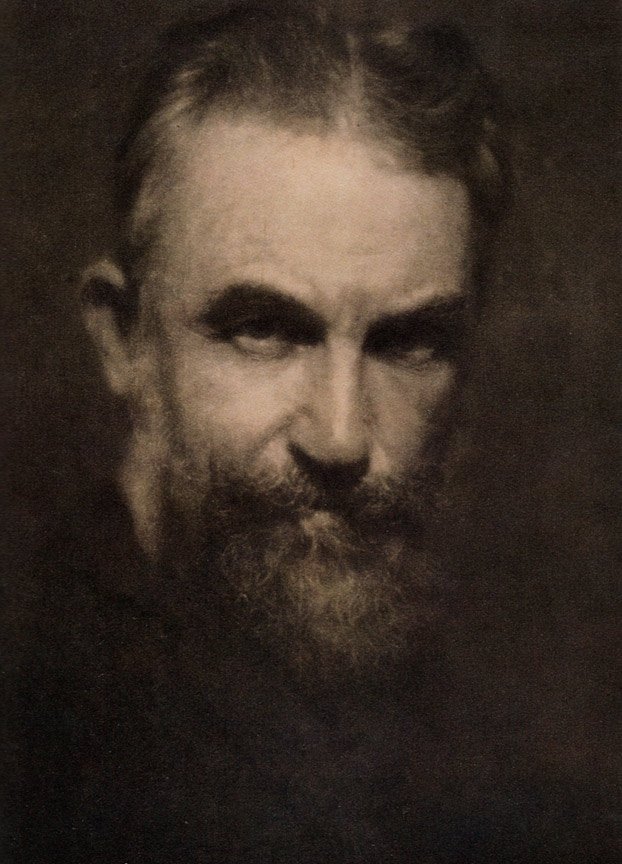
The voice that had captivated London theaters for decades finally crackled across American airwaves in October 1930, breaking a silence that had frustrated producers and audiences on both sides of the Atlantic. George Bernard Shaw, the cantankerous Irish playwright who had steadfastly refused American offers for years, made his radio debut for American listeners, marking a pivotal moment in the evolution of transatlantic cultural exchange.
The Canny Author’s Change of Heart
Shaw’s decision to speak to American audiences represented a dramatic reversal of his previous stance. As entertainment correspondent Andrew R. Kelley noted in The Washington Times, “Shaw has thus far refused to let American producers make movies of his plays” and had similarly rejected radio appearances. Yet here he was, not only appearing in Fox Theater newsreels for four minutes but also preparing for a Tuesday afternoon radio broadcast that would reach millions of American homes.

The timing was hardly coincidental. Industry insiders believed the Nobel Prize-winning author was “preparing the way for an American tour,” with a tantalizing offer already in hand: $100,000 plus all expenses for just ten lectures across the United States. For Shaw, who had built his reputation on wit as sharp as his social criticism, the financial incentive seemed to have finally outweighed his artistic reservations about American commercial entertainment.
“Shaw has thus far refused to let American producers make movies of his plays
— The Washington Times, October 25, 1930
FROM THE ARCHIVE
Like reading history this way?
Get one of these stories delivered every day. Free.
SUBSCRIBE →News Reels and New Mediums
Shaw’s movie newsreel appearance demonstrated his growing comfort with mass media, though he maintained his characteristic shrewdness in negotiations. Rather than accepting payment for himself, Shaw requested that producers donate $200 to a designated charity for his screen time. This gesture reflected both his socialist principles and his understanding that controlled exposure could build anticipation for more lucrative future endeavors.
The newsreel format allowed Shaw to reach American audiences without compromising his theatrical principles. Unlike the feature films he had rejected, newsreels offered a documentary approach that preserved his authentic voice and persona while introducing him to moviegoers who might never have encountered his plays on stage.
Broadcasting’s Cultural Bridge
The radio debut represented something far more significant than mere entertainment programming. In 1930, radio was rapidly becoming the primary means of cultural transmission across vast distances, and Shaw’s participation legitimized the medium as a serious venue for intellectual discourse. His willingness to address the “radio microphone” after years of refusal suggested that even the most tradition-bound artists were beginning to recognize broadcasting’s power to shape public opinion and cultural taste.
Shaw’s American radio experiment came at a crucial moment when the medium was establishing its role as both entertainer and educator. His participation helped elevate radio beyond mere popular amusement, demonstrating that serious literature and ideas could find audiences through the airwaves.
Modern Media Echoes
Shaw’s calculated approach to American media expansion foreshadowed today’s strategic celebrity brand management across multiple platforms. His careful progression from newsreels to radio to potential live appearances mirrors how contemporary authors and intellectuals build audiences through podcasts, streaming platforms, and social media before committing to major tours or publishing deals.
Sources
- The Washington Times, October 25, 1930 — Library of Congress