

Doctors Warn of Scurvy Threat in Infants Without Citrus Vitamins, 1936
1936Maryland
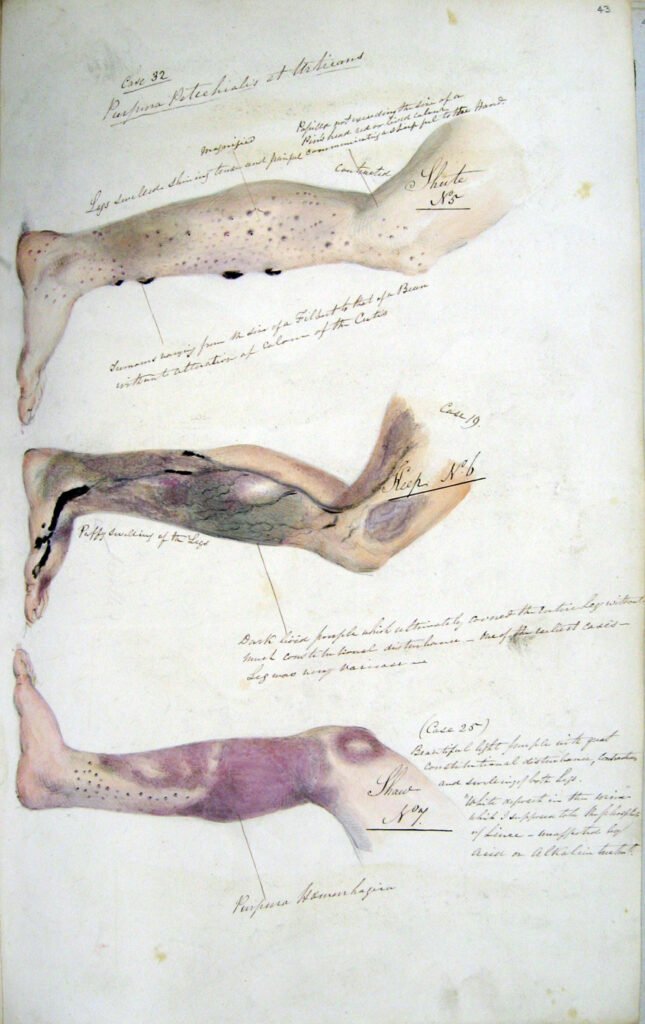
In an era when vitamins were still a relatively new scientific concept, Maryland health officials issued an urgent warning to parents in November 1936: their babies faced the same deadly threat of scurvy that had plagued sailors for centuries. The comparison was stark and deliberate—without daily doses of citrus juice, infants would develop the same nutritional disease that had once decimated naval crews on long ocean voyages.
A Sailor’s Disease in the Nursery
Dr. J.H.M. Knox Jr., Chief of the Bureau of Child Hygiene for Maryland’s State Department of Health, drew the unexpected parallel between seafaring men and newborns. “Babies are like sailors in certain respects,” Knox explained, noting that both groups developed scurvy without protection through daily fruit juice consumption. This wasn’t mere medical metaphor—it was a recognition that the same vitamin deficiency striking sailors on months-long voyages could devastate infants in their own homes.

The warning came at a crucial time in medical understanding. Scurvy, which had tormented maritime exploration for centuries, was finally understood as a nutritional rather than infectious disease. Knox emphasized this distinction, explaining that scurvy “is not catching” and “is not a germ disease,” but rather “a nutritional disease that is caused by the lack of a certain necessary element—which scientists call a vitamin—in the diet.”
“Babies are like sailors in certain respects
— The Republican, November 5, 1936
FROM THE ARCHIVE
Like reading history this way?
Get one of these stories delivered every day. Free.
SUBSCRIBE →Orange Juice as Medicine
The solution was surprisingly simple yet revolutionary for its time: orange and tomato juice as daily medical necessities. Knox stressed that these weren’t luxuries for well-to-do families but essential elements of infant care. The fruits were “very rich in that particular vitamin and have proved to be especially effective in protecting babies from this disease.”
The medical guidance reflected new scientific understanding of what we now know as vitamin C. Knox explained that babies began life with “a certain reserve amount of the scurvy preventing vitamin,” but that natural supply required constant replenishment. Without regular doses of vitamin C-rich foods, infants would exhaust their reserves just as sailors did during long voyages without fresh provisions.
A Revolutionary Understanding
This 1936 health advisory represented a pivotal moment in pediatric medicine. For the first time, doctors could offer parents a concrete, preventable explanation for a disease that had puzzled medical professionals for generations. The comparison to sailors wasn’t just colorful language—it demonstrated how medical science was connecting nutritional discoveries across vastly different populations.
The emphasis on fruit juice as medicine rather than luxury also reflected broader concerns about childhood nutrition during the Great Depression, when many families struggled to afford what might seem like dietary extras. By framing orange and tomato juice as medical necessities, health officials hoped to ensure that even economically pressed families would prioritize these crucial nutrients.
Vitamins in Every Bottle
Today’s infant formula is fortified with vitamin C precisely because of insights like those shared by Dr. Knox in 1936. The understanding that babies require external sources of ascorbic acid led to decades of research that now ensures virtually every commercial infant feeding product contains adequate vitamin C levels, making infant scurvy extraordinarily rare in developed nations.
Sources
- The Republican, November 5, 1936 — Library of Congress