Hudson-Fulton Celebration Opens with Historic Naval Parade and Pageant in New York, 1909
1909New York, New York
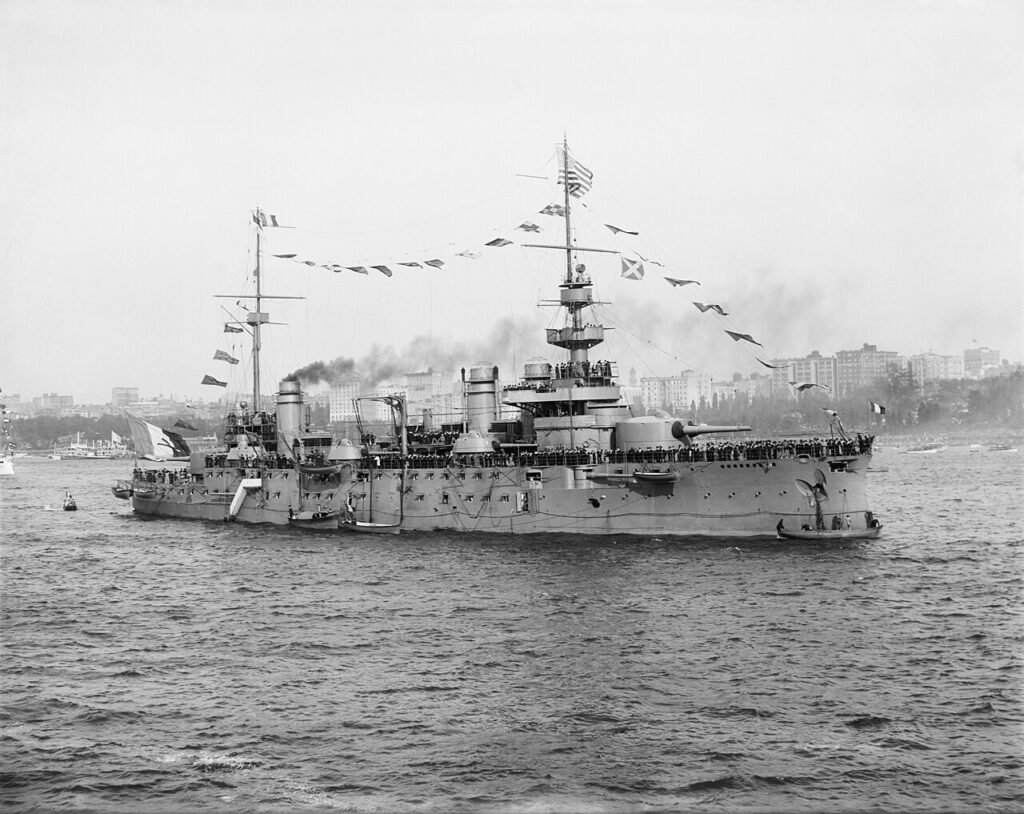
On September 29, 1909, the waters around Manhattan transformed into the stage for what newspapers called “the greatest armada ever assembled” as New York launched its spectacular Hudson-Fulton celebration. More than a hundred warships from seven nations converged on the Hudson River, while on land, 15,000 costumed performers brought three centuries of New York history to life in a magnificent pageant that drew hundreds of thousands of spectators to the streets.
Fleet Week’s 1909 Blueprint Endures
The Hudson-Fulton celebration marked a double anniversary: the 300th anniversary of Henry Hudson’s 1609 exploration of the river that would bear his name, and the centennial of Robert Fulton’s first successful steamboat voyage on those same waters in 1807. Hudson, an English explorer sailing for the Dutch East India Company, had ventured as far north as 80 degrees 12 minutes in his search for a passage to India. Fulton’s innovation with the practicable steamboat had revolutionized river transportation and commerce.
As one Connecticut newspaper reflected, the celebration would honor not just these two pioneers but serve as “a glorious tribute to all other members of the Anglo-Saxon races which have made so many remarkable discoveries and conquests.” The coincidence of these two transformative moments in navigation history provided New York with an irresistible opportunity for civic spectacle.
“the greatest armada ever assembled
— Connecticut Western News, September 30, 1909
New York Claims America’s Cultural Crown
The celebration opened with twin parades that showcased both technological marvel and historical pageantry. The naval procession featured warships from the United States, Britain, Germany, France, Holland, Italy, and Mexico—representing the most impressive international fleet ever gathered in American waters. The water parade was organized into ten distinct squadrons, beginning with seagoing and coastwise merchant vessels, followed by steamboats plying inland waters including ferry boats, then steam yachts, motorboats, tugs, and steam lighters.
FROM THE ARCHIVE
Like reading history this way?
Get one of these stories delivered every day. Free.
SUBSCRIBE →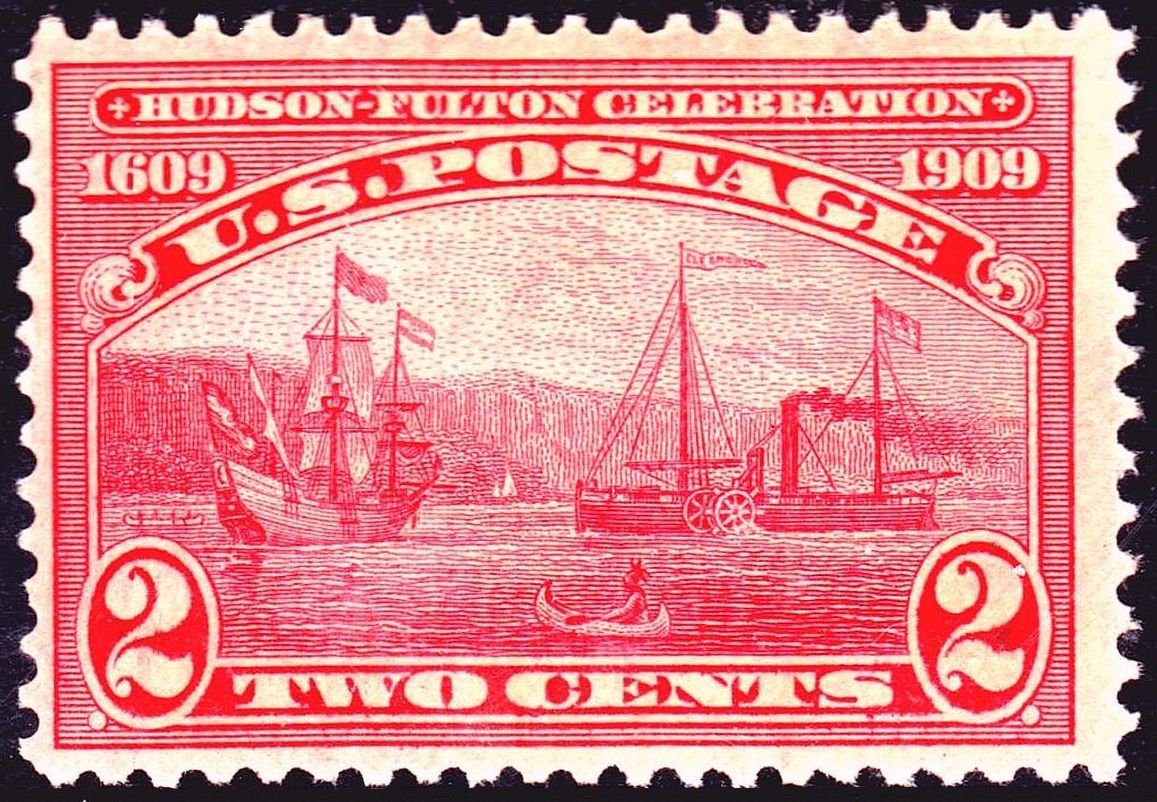
On land, the historical pageant proved equally spectacular. Fifty magnificently decorated floats carried thousands of performers in period costumes, creating what observers described as a “moving panorama of New York’s history.” The elaborate production required months of preparation, with designers crafting allegorical scenes that traced the city’s evolution from Dutch colonial settlement to modern metropolis.
The scale of the celebration reflected New York’s position as America’s premier city. Hundreds of thousands of spectators lined the streets and waterfront, many traveling from distant states to witness the unprecedented spectacle. The coordination required to orchestrate both the international naval gathering and the massive land pageant demonstrated the city’s organizational capabilities and cultural ambitions.
Seven Nations’ Warships Storm Manhattan
The Hudson-Fulton celebration represented more than mere commemoration—it marked New York’s assertion of its place as America’s cultural and commercial capital. By bringing together warships from seven nations, the city demonstrated its international significance and diplomatic reach. The historical pageant, meanwhile, allowed New York to craft and present its own narrative of progress and achievement.
The celebration also reflected the early 20th century’s fascination with historical pageantry as a form of civic education and entertainment. The elaborate costumes and allegorical floats represented a distinctly American adaptation of European ceremonial traditions, showcasing the nation’s growing confidence in its own historical heritage.
For contemporary observers, the juxtaposition of Hudson’s age of sail with Fulton’s steam power—and the modern warships of 1909—created a compelling narrative of technological progress that resonated with Progressive Era optimism about innovation and advancement.
Hudson Meets Fulton’s Double Anniversary
The Hudson-Fulton celebration established a template for large-scale civic commemorations that continues to influence how American cities mark significant anniversaries. From the 1976 Bicentennial celebrations to modern Olympic ceremonies, the combination of historical pageantry, international participation, and mass spectacle pioneered in 1909 remains a standard approach. The Hudson River itself, celebrated in 1909 as a corridor of commerce and exploration, continues to serve as a vital waterway and the centerpiece of major New York events, from Fleet Week to Fourth of July celebrations.
Sources
- Connecticut Western News, September 30, 1909 — Library of Congress