Wagner’s Parsifal Copyright Expires, Opera Premieres Worldwide on New Year’s Day 1914
1914New York, New York
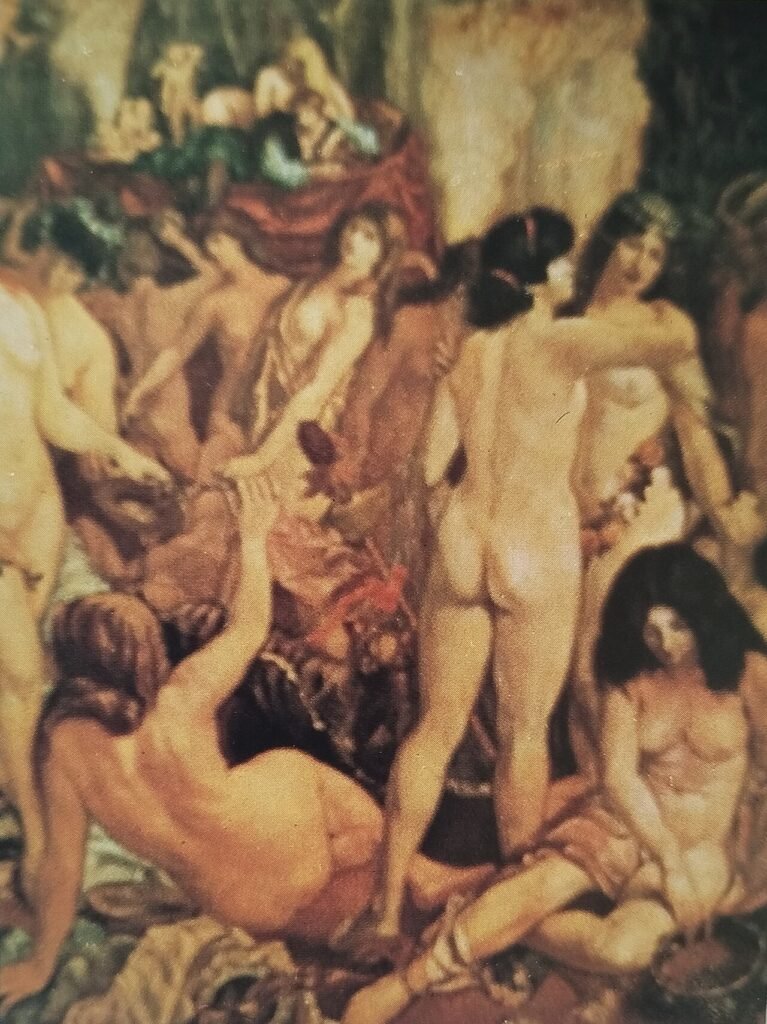
At the stroke of midnight on New Year’s Eve 1913, one of the most jealously guarded works in the operatic repertoire suddenly became free for the world to perform. Richard Wagner’s sacred festival drama Parsifal, which “the death copyright expired at Wednesday midnight” as The Sun reported, sparked an unprecedented global celebration of musical liberation on January 1, 1914.
Modern Copyright Battles Echo Parsifal
For over three decades, Parsifal had been the exclusive domain of Wagner’s Bayreuth Festival, performed only at the composer’s purpose-built theater in Bavaria. Wagner himself had intended this sacred drama about the quest for the Holy Grail to remain forever at Bayreuth, but German copyright law had other plans. The thirty-year protection period was set to expire on December 31, 1913, thirty years after the composer’s death.
The Wagner family and their supporters had fought desperately to maintain control. When Heinrich Conried, director of New York’s Metropolitan Opera, announced in the spring of 1903 his intention to produce Parsifal in America, “Cosima Wagner and the whole Wagner circle abroad threw up their hands in horror.” The Wagner estate had already broken their own exclusivity by allowing the Metropolitan to premiere the work in America on Christmas Eve 1903, but they viewed this as a necessary evil to prevent unauthorized performances.
“the death copyright expired at Wednesday midnight
— The Sun, January 2, 1914
FROM THE ARCHIVE
Like reading history this way?
Get one of these stories delivered every day. Free.
SUBSCRIBE →Musical Democracy Defeats Wagner Estate
January 1, 1914, marked a cultural watershed. As soon as the copyright expired, opera houses across the globe seized their opportunity. Five cities simultaneously presented Parsifal: New York, Berlin, Paris, Rome, and Bologna. The Metropolitan Opera, having already performed the work for over a decade, presented two performances that day, demonstrating the pent-up demand for Wagner’s final masterpiece.
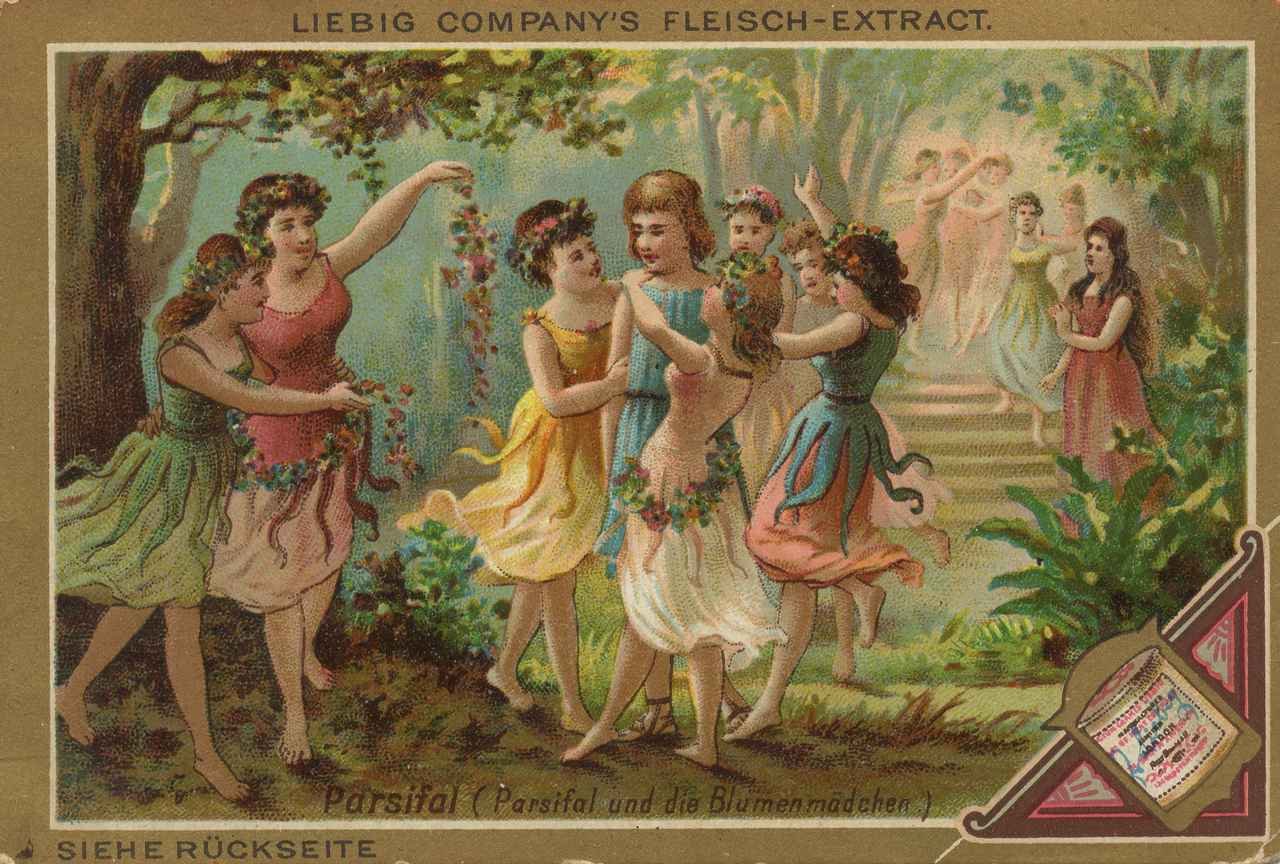
The international coordination was remarkable for its time. Opera houses that had been legally barred from performing the work could finally program it freely, ending what many viewed as an artificial restriction on artistic expression. The simultaneous premieres represented not just a musical event, but a statement about the democratization of high culture.
Five Cities Stage Simultaneous Premieres
The liberation of Parsifal represented a pivotal moment in the debate over artistic ownership and public access to culture. For years, critics had argued that confining such a monumental work to a single venue contradicted the universal themes Wagner himself had embedded in the opera. The work’s exploration of compassion, redemption, and spiritual quest resonated far beyond the confines of Bavarian tradition.
The event also highlighted the growing internationalization of opera in the early 20th century. The ability to mount simultaneous productions across continents demonstrated how rapidly communication and coordination had advanced, foreshadowing the global cultural exchanges that would define the modern era.
Bayreuth’s Thirty Year Monopoly Ends
The Parsifal copyright expiration established precedents for cultural accessibility that echo in today’s debates over intellectual property and public domain works. Modern discussions about Disney copyright extensions, digital rights management, and the creative commons movement all trace back to questions first raised by the Wagner estate’s attempts to control their patriarch’s legacy. Today’s Metropolitan Opera continues to perform Parsifal regularly, a direct result of the freedom won on that New Year’s Day over a century ago.
Sources
- The Sun, January 2, 1914 — Library of Congress