

Sullivan-Mitchell Boxing Match Ends in Draw After 39 Rounds, 1888
1888Chantilly, France
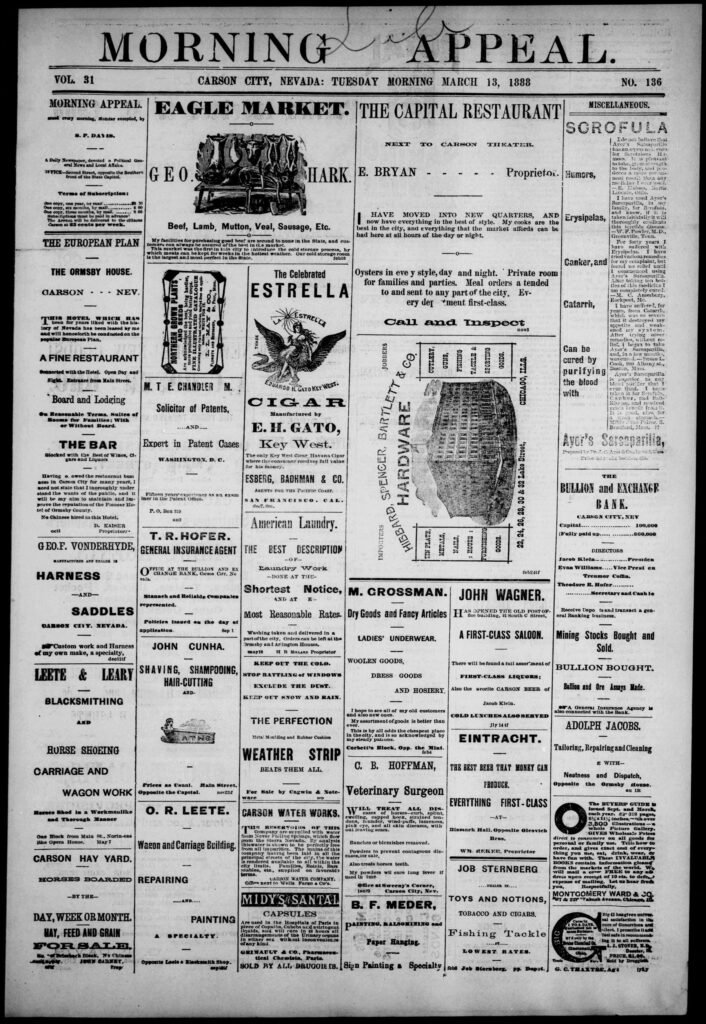
The boxing world reeled in shock as news reached American shores that John L. Sullivan—the seemingly invincible heavyweight champion whose fists had demolished every challenger for years—had failed to knock out his opponent for the first time in his career. After 39 punishing rounds in the mud and rain of Chantilly, France, Sullivan’s March 10 bout with English challenger Charlie Mitchell had ended in an unsatisfying draw.
Blueprint for Boxing’s Strategic Revolution
Sullivan had entered the ring as more than just a fighter—he was a cultural phenomenon. Since his brutal victory over Paddy Ryan in New Orleans, he had risen to become what the Morning Appeal called “probably the most notorious man in the world.” His barnstorming tours across America had drawn massive crowds, with “no less than a million people” witnessing him spar in exhibition matches. Newspaper coverage had elevated him to unprecedented heights of fame and fortune, making him boxing’s first true celebrity.
Charlie Mitchell represented a different kind of challenge. The clever Englishman and his backers had studied Sullivan’s style meticulously, “reduced the science of match making to a nicety,” and devised a strategy specifically designed to neutralize the American’s overwhelming physical advantages.
“for the first time in his lifa he left the ground without having whipped his man
— Morning Appeal, March 13, 1888
FROM THE ARCHIVE
Like reading history this way?
Get one of these stories delivered every day. Free.
SUBSCRIBE →Mitchell Outgenerals the American Champion
The fight itself became an epic test of endurance rather than the quick demolition Sullivan’s fans expected. From the opening bell, Mitchell employed tactics that frustrated and confused the champion. Where Sullivan relied on “immense strength and staying qualities,” Mitchell used movement, ring craft, and psychological warfare.
Round after round, the English challenger avoided Sullivan’s devastating power punches while landing enough shots of his own to keep the champion honest. The fight stretched on through the afternoon, with both men showing remarkable durability. By the 39th round, even Sullivan’s most devoted supporters could see that their hero was in unfamiliar territory.
The Morning Appeal reported that “his own backers were glad to suggest a draw,” a stunning admission that Sullivan could not secure victory. For “the first time in his lifa he left the ground without having whipped his man.” The result sent shockwaves through the sporting world and marked a watershed moment in boxing history.
Thirty Nine Rounds in French Mud
The draw represented more than just a disappointing result—it fundamentally altered Sullivan’s mystique. The newspaper observed that “it was clear that from the start he was outgeneraled by Mitchell,” exposing tactical weaknesses that future opponents would surely exploit. Sullivan’s “deplorable overconfidence” had been his downfall, revealing that brute force alone might not be enough against a well-prepared, scientific fighter.
The fight also demonstrated the growing sophistication of boxing strategy. Mitchell’s approach—studying film, developing specific tactics, and emphasizing ring generalship over raw power—previewed the direction the sport would take in coming decades. The era of the simple slugger was beginning to give way to more technical, strategic boxing.
Sullivan’s Unbeaten Streak Faces Mitchell’s Strategy
This fight established the template for modern boxing upsets, where superior strategy and preparation can neutralize physical advantages. The tactical approach Mitchell employed—studying opponents, developing game plans, and using movement to frustrate aggressive fighters—remains central to boxing training today. Every time an underdog uses superior technique to frustrate a powerful favorite, they’re following the blueprint Mitchell created against Sullivan in those muddy French fields.
Sources
- Morning Appeal, March 13, 1888 — Library of Congress