

General Philip Sheridan Near Death as Heart Condition Worsens, May 1888
1888Washington, District of Columbia
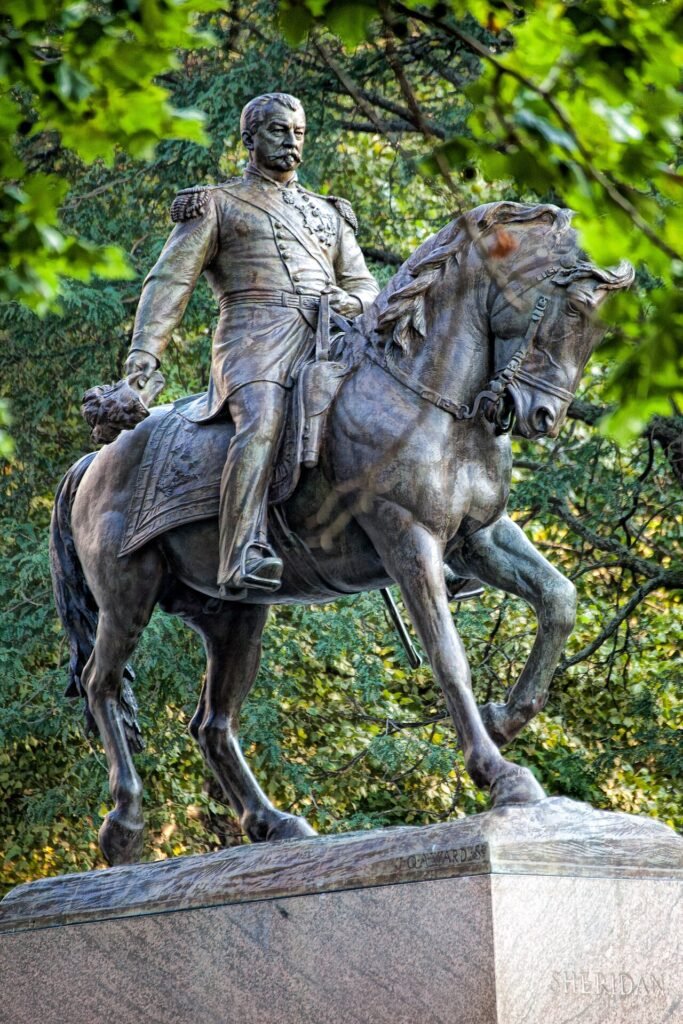
The nation held its breath as one of its greatest military heroes teetered on the edge of death. General Philip Henry Sheridan, the fiery cavalry commander who helped crush the Confederacy, lay gravely ill in Washington as his weakened heart struggled against a disease that had already claimed too much of his strength. What had begun as a day of hope and cheerfulness turned ominous when the general’s condition collapsed without warning.
The Crisis at Eight O’Clock
The attack struck with little warning around 8 o’clock on the evening of May 26th. Sheridan had been doing well throughout the day, his family buoyed by his strength and interest in passing events. Then came “a slight feeling of faintness” that immediately alarmed his attending physicians. What followed was a serious sinking spell that sent the medical team scrambling to administer “prompt and powerful measures to rally him.”
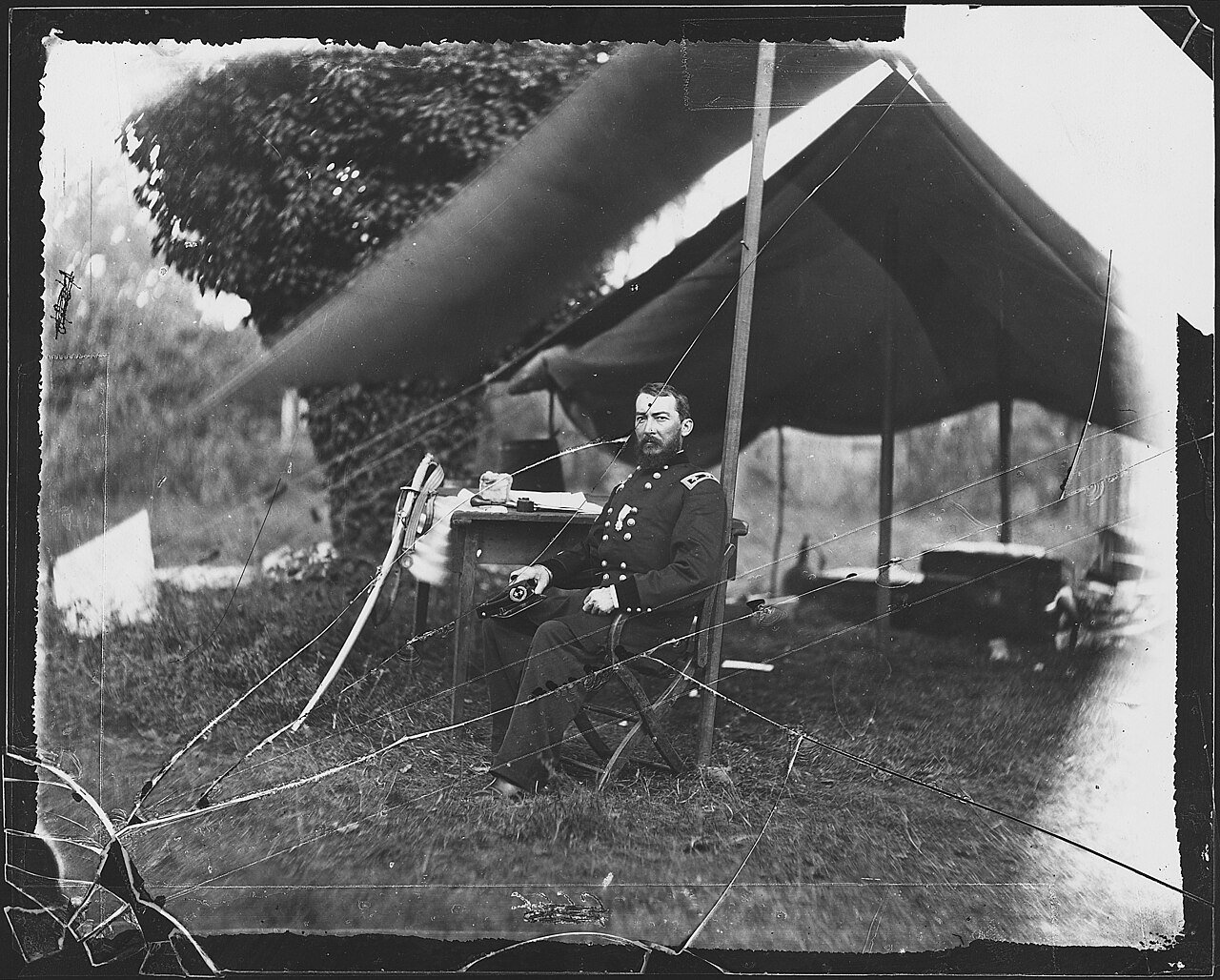
By 10:30 that night, four physicians surrounded Sheridan’s bedside in anxious vigil. The remedies had provided only partial relief, and the general’s pulse responded poorly to treatment. The National Republican reported that “his death at any moment would not be unexpected.” The heart action that had powered one of America’s most dynamic military careers was now “very feeble” and failing to respond to medical intervention.
FROM THE ARCHIVE
Like reading history this way?
Get one of these stories delivered every day. Free.
SUBSCRIBE →“his death at any moment would not be unexpected
— National Republican, May 27, 1888
From Cavalry Charge to Sickbed
The man fighting for his life had once been the embodiment of Union vigor and determination. Sheridan’s cavalry had swept through the Shenandoah Valley, devastating Confederate supply lines and hastening the war’s end. His famous ride to rally his troops at Cedar Creek had become the stuff of legend, immortalized in poetry and popular memory. Now the same heart that had driven him through countless battles was betraying him in a quieter but no less decisive engagement.
The suddenness of Saturday evening’s crisis underscored the precarious nature of Sheridan’s condition. Heart disease in 1888 remained largely beyond medical understanding, and even the most skilled physicians could offer little beyond watchful care and stimulants. The general’s doctors could only monitor his symptoms and hope their patient’s legendary fighting spirit would carry him through another night.
A Family’s Vigil
The Sheridan family had experienced the emotional whiplash common to serious illness—hope followed by despair in rapid succession. Earlier that day, they had drawn encouragement from the general’s apparent improvement and engagement with current events. The abrupt turn toward crisis left them grappling with the very real possibility that one of America’s most celebrated military figures might not survive to see another dawn.
Walter Reed’s Legacy
The heart condition that threatened Sheridan’s life would eventually claim him just weeks later, on August 5, 1888. Today, the military medical facility that bears the name of Walter Reed—the army physician who would later revolutionize military medicine—continues the work of treating America’s military heroes that began in those anxious hours around Sheridan’s bedside.
Sources
- National Republican, May 27, 1888 — Library of Congress