

Senate Naval Committee Approves $475 Million Navy Expansion Bill, 1934
1934Washington, District of Columbia
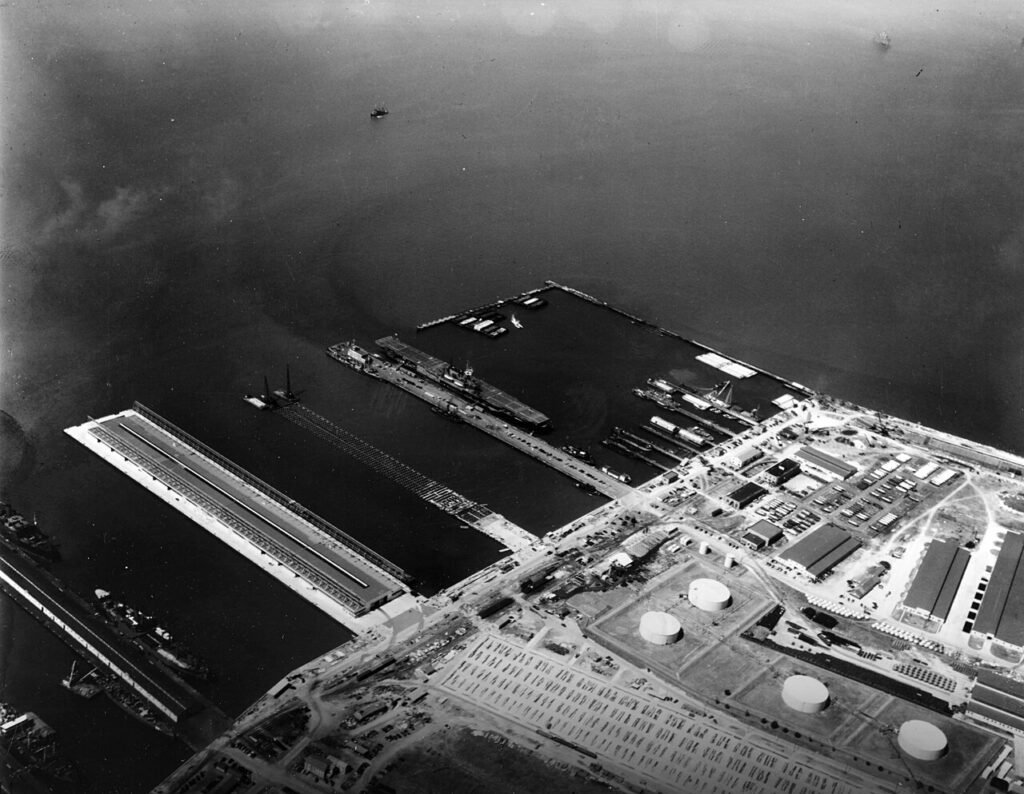
In a pivotal moment for American naval policy, the Senate Naval Committee gave its approval to legislation that would fundamentally reshape the United States Navy’s capabilities and signal America’s growing commitment to naval supremacy in an increasingly turbulent world.
Pacific Fleet Foundation for Coming War
The Vinson-Trammell bill emerged during a period of rising international tensions and growing concerns about naval parity among world powers. Named after its sponsors, the legislation sought to authorize construction that would bring the U.S. Navy up to its full allowable strength under existing naval treaties. This represented a significant departure from the reduced naval spending that had characterized much of the post-World War I era, as economic constraints and isolationist sentiment had previously limited military expenditures.
America Abandons Post-WWI Naval Restraint
On January 30, 1934, the Senate Naval Committee approved the Vinson-Trammell bill “without a record vote after a short hearing,” marking a crucial step toward what would become one of the largest peacetime naval construction programs in American history. Admiral William H. Standley, testifying before the committee, “estimated the cost of the program at about $475,000,000,” a staggering sum that reflected the ambitious scope of the proposed naval expansion.
The committee made a significant modification to the original legislation at the Navy’s recommendation, giving “President Roosevelt broad power to purchase naval aircraft in numbers commensurate with a treaty Navy instead of the original provisions for a specific limitation of 2,184 planes.” This change demonstrated the growing recognition of aviation’s crucial role in modern naval warfare and provided the executive branch with greater flexibility in military planning.
FROM THE ARCHIVE
Like reading history this way?
Get one of these stories delivered every day. Free.
SUBSCRIBE →The bill’s progress was not without opposition. Representatives from several peace organizations appeared before the committee to protest the legislation, arguing it posed “a terrific threat to the 1935 Naval Conference and contended its only purpose was to provide contracts for shipbuilding companies.” These critics viewed the massive expenditure as potentially provocative and economically motivated rather than strategically necessary.
Senate Committee Approves $475 Million Without Vote
The committee’s approval represented more than just legislative procedure—it marked a fundamental shift in American naval policy and defense strategy. The legislation came at a time when the House was also preparing “to pass it possibly within a few hours,” indicating broad congressional support for naval expansion despite the ongoing economic challenges of the Great Depression.
This naval buildup occurred against the backdrop of rising militarism in Japan and Germany, nations that were increasingly challenging the post-World War I international order. The bill’s emphasis on bringing the Navy to full treaty strength acknowledged that America could no longer afford to maintain naval forces below its treaty allowances while other powers were rapidly expanding their maritime capabilities.
Vinson-Trammell Bill Emerges Amid Rising Tensions
The Vinson-Trammell Act, as it became known after final passage, would prove prescient in preparing America for the naval challenges that lay ahead. The legislation authorized the construction of numerous vessels that would prove crucial in World War II, including aircraft carriers, destroyers, and submarines that formed the backbone of the Pacific Fleet during the coming conflict.
The bill’s flexible provisions regarding naval aviation also proved remarkably forward-thinking, as carrier-based aircraft would ultimately prove decisive in the Pacific theater. By granting the President discretionary authority over aircraft procurement, Congress enabled the rapid expansion of naval aviation capabilities that would prove essential in the years following Pearl Harbor.
More broadly, the legislation marked the beginning of America’s emergence from the isolationist policies that had dominated the interwar period, signaling a renewed commitment to maintaining the naval strength necessary to protect American interests in an increasingly dangerous world.
Sources
- Evening Star, January 30, 1934 — Library of Congress