

Mexican Consul at Tucson Accused of Conspiracy, Resigns Rather Than Face Charges, 1913
1913Tucson, Arizona

On a tense Saturday in March 1913, as Mexico writhed in revolutionary turmoil, a diplomatic crisis erupted in the dusty border town of Tucson when the Mexican consul found himself accused of treason by his own government. E.Y. Anaya faced a stark choice: return to Mexico City to answer explosive charges of conspiracy, or abandon his post and seek refuge in the country he allegedly plotted against.
Tucson Crisis Previews Century of Border Intrigue
By early 1913, Mexico had been convulsed by revolution for over two years. President Francisco Madero had recently been overthrown and murdered in a coup led by General Victoriano Huerta, plunging the nation deeper into chaos. The violence had spilled across the border, creating a volatile situation in Arizona and other southwestern states. Mexican consuls in American border cities found themselves in precarious positions, caught between their duties to Mexico City and the complex realities of representing a government in crisis.
FROM THE ARCHIVE
Like reading history this way?
Get one of these stories delivered every day. Free.
SUBSCRIBE →Border Consuls Navigate Fractured Revolutionary Loyalties
On March 1, 1913, the Mexican government formally accused Consul Anaya of having “conspired to bring about intervention in the United States.” The charges suggested that Anaya had been working to encourage American military intervention in Mexico’s civil war—a grave accusation that amounted to treason against his homeland. Mexican authorities ordered him to appear in Mexico City immediately to answer these charges. Instead of complying with the summons, Anaya made a dramatic decision that would seal his fate as a political exile. He turned his office over to the vice consul and announced that he had resigned from his position. Most significantly, he declared that he would remain on the American side of the border, effectively choosing exile over the uncertain justice that awaited him in revolutionary Mexico.
“conspired to bring about intervention in the United States
— Arizona Republican, March 2, 1913
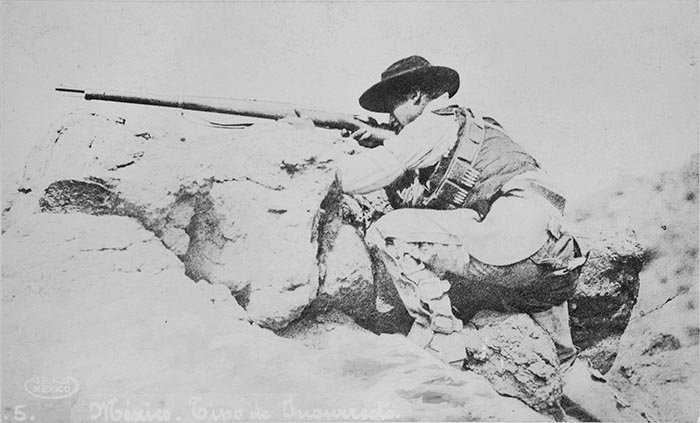
Anaya Chooses Arizona Exile Over Treason Trial
Anaya’s defection highlighted the deep fractures within Mexican diplomatic circles during the revolution. His alleged conspiracy to encourage U.S. intervention reflected the desperation of some Mexican officials who saw foreign intervention as the only way to end the bloodshed consuming their country. The incident also demonstrated how the Mexican Revolution had complicated diplomatic relations along the entire U.S.-Mexico border, forcing individual consuls to choose between personal survival and official duty. The case would have resonated particularly strongly in Arizona, where residents lived with the daily reality of revolutionary violence spilling across the international boundary.
Revolutionary Mexico Splits Diplomatic Corps
This diplomatic crisis foreshadowed the more famous Zimmermann Telegram incident of 1917, when Germany attempted to forge a Mexican-German alliance against the United States. The pattern of foreign intrigue along the U.S.-Mexico border that Anaya’s case exemplified would continue to shape American immigration and border security policies for more than a century, influencing everything from the creation of the Border Patrol in 1924 to contemporary debates over border wall construction.
Sources
- Arizona Republican, March 2, 1913 — Library of Congress