

Senate Reintroduces Constitutional Amendment for Direct Election of Senators, 1897
1897Washington, D.C.
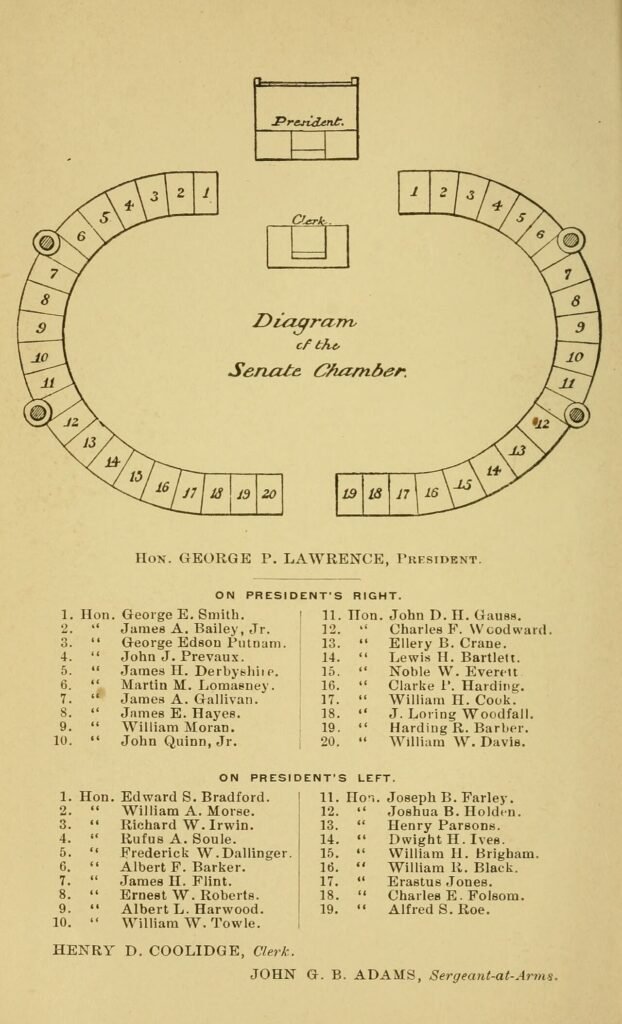
On a crisp March morning in 1897, the United States Senate took up a question that would reshape American democracy itself: should voters, rather than state legislatures, choose their senators? The reintroduction of “the constitutional amendment for popular election of United States senators” on March 18th represented far more than routine legislative business—it was the latest salvo in a growing movement to democratize the upper chamber of Congress.
Path to Seventeenth Amendment Begins
Since the founding of the republic, Article I of the Constitution had mandated that state legislatures select U.S. senators, a system designed by the framers to ensure that states retained influence in the federal government. By the 1890s, however, this indirect election process had become a source of mounting controversy. Critics argued that wealthy interests could too easily influence state legislators, effectively purchasing Senate seats. The rise of the Populist movement and Progressive reformers had intensified calls for direct democracy, with the Senate’s selection process becoming a prime target for reform.
The amendment’s reintroduction came during a special session of Congress, suggesting the urgency with which lawmakers viewed various pressing issues. That same day, senators also agreed to a resolution instructing “the committee on foreign relations to inquire whether the islands of St. Croix, St. Johns and St. Thomas of the West Indian group could be purchased by the United States,” demonstrating the expansionist mood of the era.
Challenging States’ Constitutional Prerogatives
The Senate’s March 18th session was notably brief, lasting only fifty minutes in open session before moving to executive business. Yet within that compressed timeframe, senators managed to address several significant matters. The constitutional amendment’s reintroduction followed established parliamentary procedure, requiring formal presentation before the body could consider its merits.
FROM THE ARCHIVE
Like reading history this way?
Get one of these stories delivered every day. Free.
SUBSCRIBE →The timing proved fortuitous for reform advocates. The country was experiencing renewed interest in democratic participation following the tumultuous 1896 presidential election, which had seen William Jennings Bryan’s populist campaign energize millions of Americans who felt disconnected from their government. The Senate’s willingness to revisit the direct election question reflected this shifting political climate.
Fifty Minute Session Revives Reform
The 1897 reintroduction marked a crucial moment in what would become a sixteen-year legislative journey. While previous attempts at constitutional reform had often died in committee or failed to gain serious consideration, the post-1896 political environment proved more receptive to democratic reforms. The amendment represented a fundamental challenge to the federal system as originally conceived, proposing to strip state governments of one of their most important constitutional prerogatives.
Beyond its immediate political implications, the amendment reflected deeper currents in American society. The industrial revolution had created new concentrations of wealth and power, leading many citizens to question whether traditional institutions could adequately represent their interests. The Senate, with its indirect election system and six-year terms, seemed particularly insulated from popular will.
State Legislatures Choose Senators Since 1789
Though the 1897 reintroduction would not immediately result in constitutional change, it helped establish momentum for what would eventually become the Seventeenth Amendment. The persistence of reform advocates, combined with growing public support for direct democracy, would gradually overcome institutional resistance. High-profile corruption scandals in state legislatures during the early 1900s would further strengthen the case for reform.
The amendment’s eventual ratification in 1913 would fundamentally alter the character of the Senate, making it more responsive to popular opinion while reducing the influence of state governments in federal affairs. This transformation represented one of the most significant constitutional changes since the Civil War amendments, demonstrating that the founding document remained capable of democratic evolution.
Sources
- The Kanabec County Times, March 26, 1897 — Library of Congress