

Cities Rally for Immigration Ban as Cholera Threat Spreads, 1892
1892Detroit, Michigan
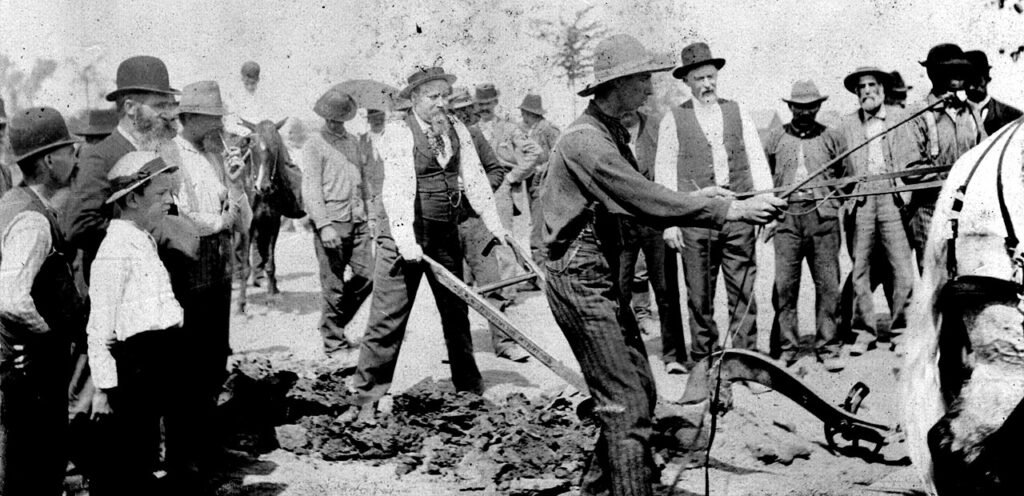
On a crisp September morning in 1892, telegraph wires crackled with an unprecedented coordination between America’s mayors. Detroit’s Hazen Pingree had taken the bold step of reaching out to fifteen cities across the nation with an urgent request: join him in asking President Benjamin Harrison to halt all European immigration for ninety days. The reason was stark and immediate—cholera was spreading across Europe, and American cities feared the disease would cross the Atlantic with the next wave of immigrants.
Fifteen Telegrams From Detroit
Mayor Pingree’s initiative represented a new kind of municipal activism in the face of public health crisis. His telegram to Savannah’s Mayor John McDonough was direct and urgent, asking “Will Savannah make the same request” after explaining Detroit’s plan to petition the President for executive action. By September 13th, eight cities had already responded favorably to Pingree’s appeal, creating momentum for what would become the largest coordinated municipal request for federal immigration control in American history to that point.
FROM THE ARCHIVE
Like reading history this way?
Get one of these stories delivered every day. Free.
SUBSCRIBE →
Savannah Joins the Movement
Mayor McDonough’s response came swiftly and decisively. He telegraphed back to Detroit that he considered Pingree’s “suggestion an excellent idea” and confirmed that Savannah would participate in the unprecedented request to President Harrison. This rapid city-to-city coordination demonstrated how the telegraph had transformed municipal governance, allowing mayors to organize collective action across vast distances in mere hours rather than weeks.
“Will Savannah make the same request
— The Morning News, September 14, 1892
Executive Power in Question
The mayors’ petition raised fundamental questions about presidential authority over immigration that would echo through American politics for generations. They were asking Harrison to “assume authority to prohibit immigration for ninety days” based purely on public health concerns, without specific congressional authorization. This appeal for emergency executive action on immigration established precedents that would resurface during future national crises, from world wars to modern pandemic responses.
Crisis Powers Today
The 1892 cholera scare established the template for how American cities coordinate with federal authorities during public health emergencies. Modern CDC protocols for disease containment and the president’s authority to restrict international travel during health crises trace their origins to requests like Pingree’s, where local officials pushed for centralized emergency powers to protect public health.
Sources
- The Morning News, September 14, 1892 — Library of Congress