

German-Built Zeppelin ZR-3 Prepares Atlantic Crossing to America, October 1924
1924Friedrichshafen, Germany
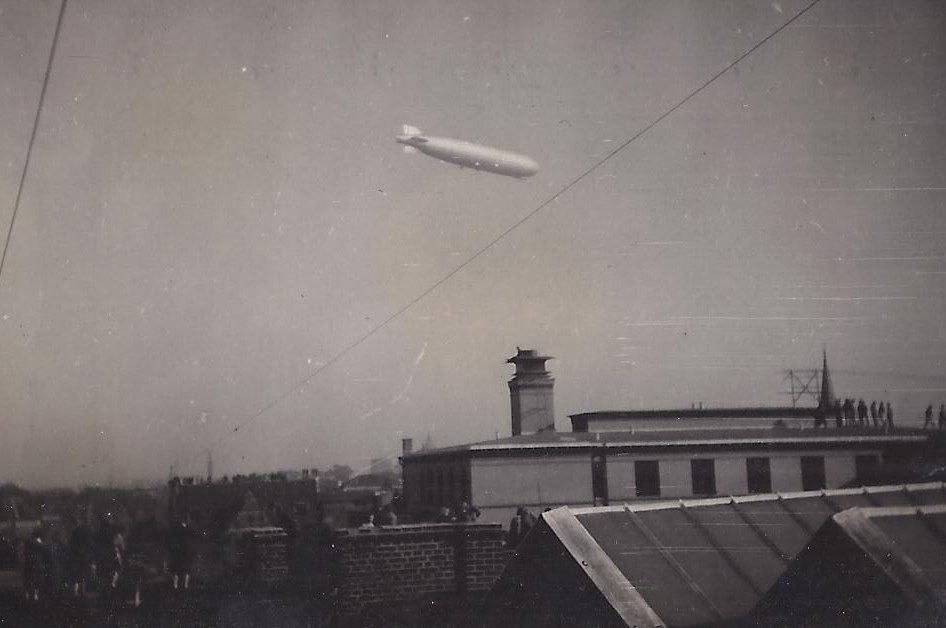
In the crisp dawn air of Friedrichshafen, Germany, the massive silver bulk of the ZR-3 Zeppelin sat ready for what would become one of aviation’s most daring ventures. On October 10, 1924, final preparations were underway for a transatlantic flight that would carry thirty-two souls across thousands of miles of open ocean in an untested airship—a journey that would either mark a triumph of German engineering or end in disaster over the Atlantic’s cold waters.
Daybreak Saturday
Dr. Hugo Eckener, a director of the Zeppelin company, announced that the American-owned, German-built airship was “scheduled to leave here at daybreak Saturday morning for Lakehurst N J.” The mammoth craft had successfully completed each of her trial flights, giving confidence to the crew and passengers who would attempt the unprecedented journey. “Thirtytwo persons including four Americans will make the trip” across what newspapers dramatically called “the blue waters of the Atlantic.”
Ten Watchmen Stand Guard
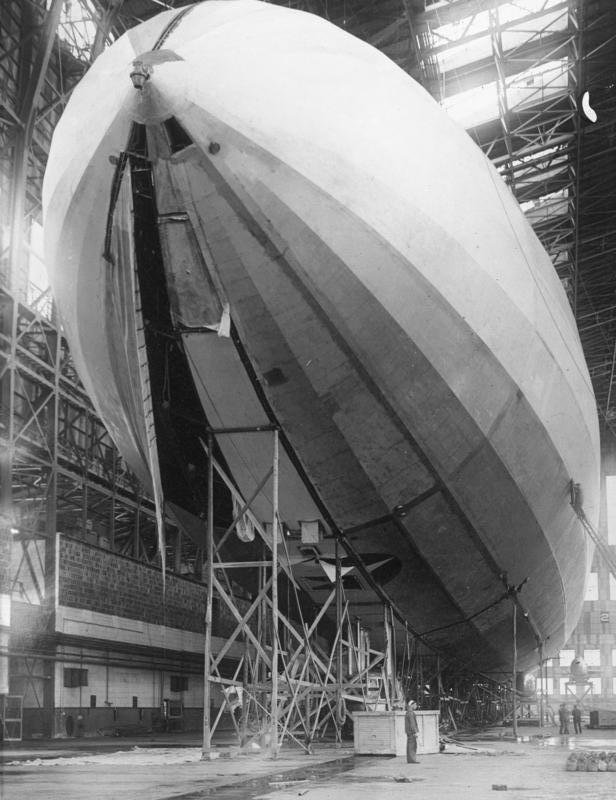
Security around the airship was unprecedented for civilian aviation. Ten watchmen maintained constant vigil around the ZR-3, their primary mission to prevent any unauthorized person from attempting to stow away aboard the historic flight. The Zeppelin company understood that this journey would capture international attention, and they could not afford any complications that might jeopardize the mission or the lives of those aboard.
FROM THE ARCHIVE
Like reading history this way?
Get one of these stories delivered every day. Free.
SUBSCRIBE →“Thirtytwo persons including four Americans will make the trip
— Americus Times-Recorder, October 10, 1924
The flight plan called for arrival at American soil on October 13th, weather permitting. Pilots had specifically announced their intention to reach the mooring mast at Lakehurst during daylight hours, when visibility would be optimal for the delicate landing maneuver that would bring the great airship safely to ground.
American Ownership, German Craft
The ZR-3 represented a complex arrangement born from the aftermath of World War I. Though built by German engineers using German technology, the airship belonged to the United States—a tangible symbol of the shifting relationships between former enemies. This transatlantic flight would not only test the limits of aviation technology but also serve as a bridge between two nations still healing from the wounds of global conflict.
The success or failure of this venture would determine whether rigid airships could become a reliable means of passenger transportation across the world’s oceans. European aviation companies watched closely, knowing that passenger confidence in transatlantic flight depended heavily on this single journey’s outcome.
Lakehurst’s Living Legacy
The ZR-3 successfully completed its transatlantic journey and served the U.S. Navy as the USS Los Angeles until 1939. Today, Lakehurst remains active as Joint Base McGuire-Dix-Lakehurst, where modern military aircraft continue operations that began with those early airship experiments. The base’s historic hangars still stand as reminders of aviation’s most ambitious era.
Sources
- Americus Times-Recorder, October 10, 1924 — Library of Congress