

Army Mail Pilot Thomas Wood Dies in Iowa Crash, Twelfth Fatality Since Military Took Over Airmail, 1934
1934DeWitt, Iowa

The spring storm that swept across Iowa on March 30, 1934, claimed more than just another victim—it became the final straw in one of aviation’s most controversial chapters. Lieutenant Thomas Wood, a 27-year-old army pilot carrying 500 pounds of mail from Chicago, crashed and died on a farm near DeWitt, Iowa, becoming the twelfth military aviator to perish since the Army took over America’s airmail system just two months earlier.
FAA Authority Rooted in 1934 Disaster
The military’s involvement in airmail delivery began in February 1934, when President Franklin Roosevelt canceled all commercial airmail contracts following a postal scandal involving irregular bidding practices. Roosevelt ordered the Army Air Corps to take over the nation’s mail routes, despite warnings from aviation experts that military pilots lacked experience with the demanding schedules and weather conditions required for mail delivery.
The decision proved immediately controversial. Commercial aviation had spent years developing specialized aircraft, navigation systems, and pilot training programs specifically for mail routes. Military pilots, trained for combat rather than precise scheduling and all-weather flying, found themselves thrust into an unfamiliar and dangerous role.
“blinding rain and a perilously low ceiling sent Lieutenant Thomas Wood
— The Key West Citizen, March 31, 1934
FROM THE ARCHIVE
Like reading history this way?
Get one of these stories delivered every day. Free.
SUBSCRIBE →Twelfth Military Death Sparks Washington Crisis
On the night of March 30, Lieutenant Wood was flying his attack plane through increasingly treacherous weather conditions. According to contemporary reports, “blinding rain and a perilously low ceiling sent Lieutenant Thomas Wood” crashing onto William Mommsen’s farm near DeWitt. The aircraft, heavily loaded with mail bound for destinations along the route, struck the ground with devastating force.
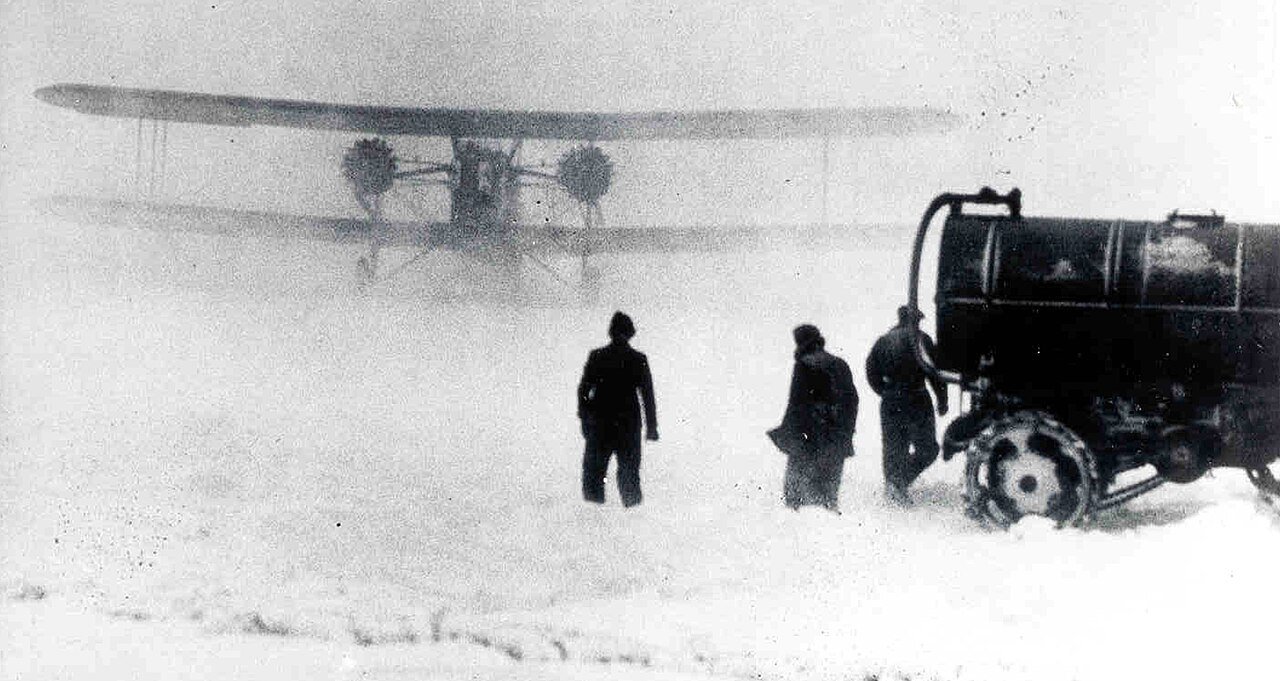
Authorities recovered Wood’s body the following morning, “badly mutilated” according to The Key West Citizen. The crash scene painted a grim picture of the challenges facing military pilots: inadequate weather information, aircraft not designed for mail service, and routes they had little time to learn properly.
Lieutenant Wood Crashes Near DeWitt Farm
Wood’s death sent shockwaves through Washington, where officials were already grappling with mounting criticism of the military airmail experiment. The dozen fatalities in just two months represented an appalling safety record that commercial operators had never approached. Each crash intensified public outcry and congressional pressure to end the military’s involvement in mail delivery.
The tragedy prompted immediate calls for “new private bids prior to enactment of permanent airmail legislation,” as newspapers reported. Aviation industry leaders argued that the deaths proved military pilots, however skilled in combat, were unsuited for the specialized demands of commercial aviation. The crashes also highlighted the superior safety records and equipment that private carriers had developed through years of experience.
Within weeks of Wood’s death, the Roosevelt administration began planning the return of airmail service to private companies, though under much stricter oversight than before. The experiment had cost twelve lives and demonstrated the critical importance of specialized training and equipment in commercial aviation.
Roosevelt Cancels Commercial Airmail Contracts
The 1934 airmail crisis established the principle that government should regulate rather than operate commercial aviation services. Today’s Federal Aviation Administration traces its regulatory authority partly to reforms enacted after the military airmail disaster. The tragedy also reinforced the importance of specialized pilot training and aircraft certification standards that remain cornerstones of modern aviation safety.
Sources
- The Key West Citizen, March 31, 1934 — Library of Congress