

Australian Aviator Ross Smith Wins Historic England-Australia Flight Prize, 1919
1919Port Darwin, Australia
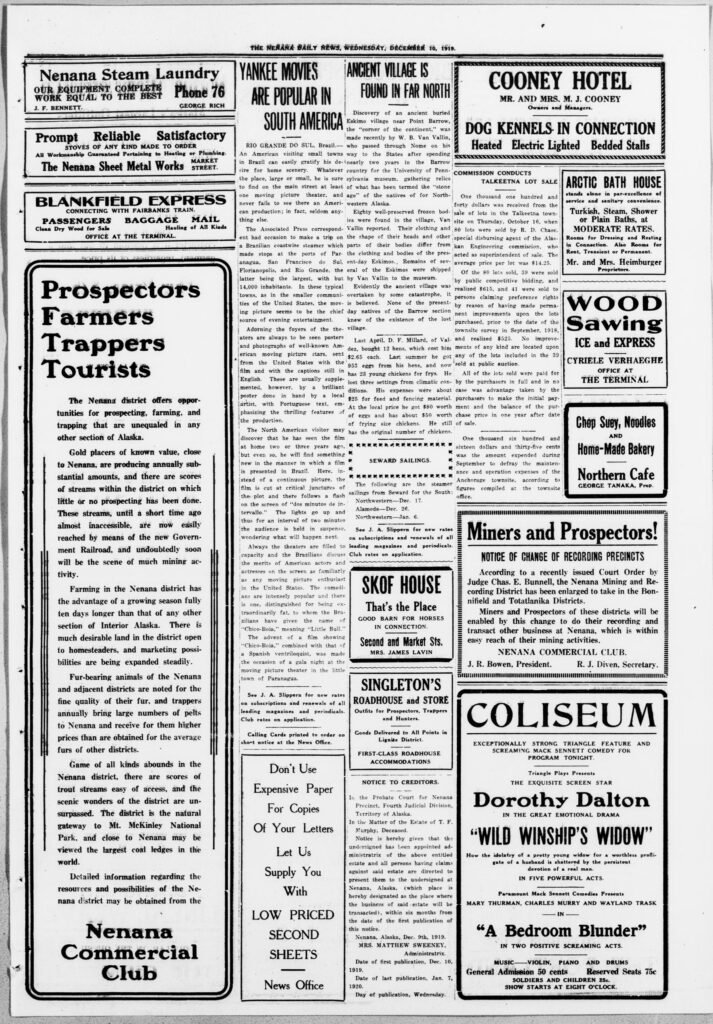
On a sweltering December morning in 1919, the drone of aircraft engines over Port Darwin, Australia, announced the end of one of aviation’s most ambitious races. Captain Ross Smith, an Australian aviator, had just completed an extraordinary 11,000-mile journey from England to his homeland, claiming victory in a competition that would reshape how the world thought about long-distance flight.
Qantas Airways Path Still Followed
The Australian government had offered a substantial prize of £10,000—equivalent to hundreds of thousands of dollars today—for the first successful flight connecting England to Australia. This wasn’t merely a publicity stunt; it represented a serious attempt to establish viable air routes that could link the far-flung corners of the British Empire. The challenge attracted aviators from across the globe, including French pilot Lieutenant Winne Poulet, who had entered the race with high hopes of claiming the prize for France.
England Australia Route Proven Viable
Smith’s achievement on December 10, 1919, marked the culmination of thirty days of perilous flying across continents and oceans. According to contemporary reports, the Australian captain had been “winning the Australian government prize of ten thousand pounds for the first successful flight from England to the island continent.” His journey covered an unprecedented 11,000 miles, navigating primitive airports, unpredictable weather, and mechanical challenges that could have ended the attempt at any moment.
FROM THE ARCHIVE
Like reading history this way?
Get one of these stories delivered every day. Free.
SUBSCRIBE →“winning the Australian government prize of ten thousand pounds
— The Nenana Daily News, December 10, 1919

The competition proved particularly dramatic because Poulet had actually departed England a full month before Smith began his journey. However, the French aviator encountered frequent delays throughout his route, allowing Smith to overtake him in India and maintain a substantial lead for the remainder of the race. This turn of events demonstrated that in early aviation, consistency and reliability often mattered more than an early start.
Smith’s Thirty Day Darwin Landing
Smith’s successful flight represented far more than an individual achievement—it proved that intercontinental aviation was not only possible but practical. The 30-day journey time, while lengthy by modern standards, represented a revolutionary reduction in travel time between England and Australia. Previously, the journey required weeks by steamship, making communication and travel between the mother country and its distant dominion a slow and expensive proposition.
The flight also established crucial precedents for commercial aviation. Smith’s route would later inform the development of regular passenger and mail services connecting Europe to Australia, fundamentally changing how people and goods moved across the globe. The technical knowledge gained from navigating different climates, altitudes, and geographical challenges proved invaluable for future long-distance flights.
Ten Thousand Pound Government Prize
Smith’s pioneering route directly influenced the development of Qantas Airways, which began regular England-Australia passenger service in the 1930s and remains one of the world’s oldest continuously operating airlines. Modern travelers flying from London to Sydney still follow variations of the path Smith blazed, though they complete the journey in under 24 hours rather than 30 days.
Sources
- The Nenana Daily News, December 10, 1919 — Library of Congress