

West Point Court of Inquiry Examines Cadet Whittaker’s Wounds in Historic Military Trial, 1880
1880West Point, New York
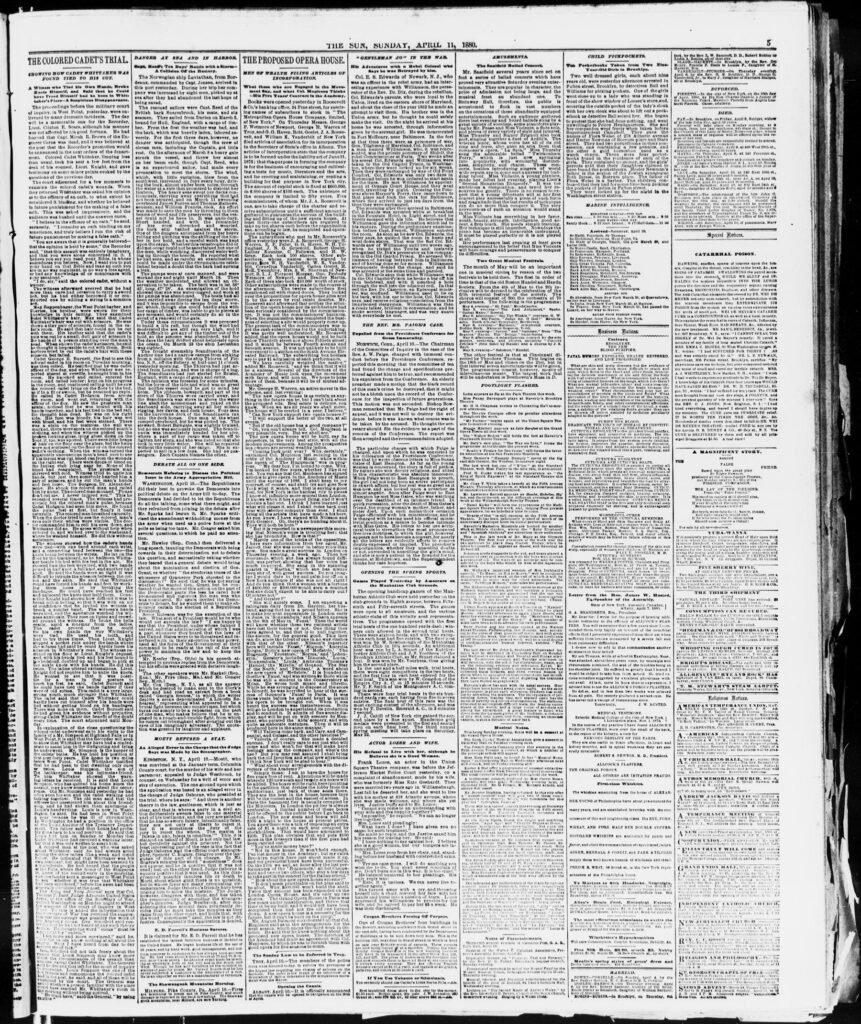
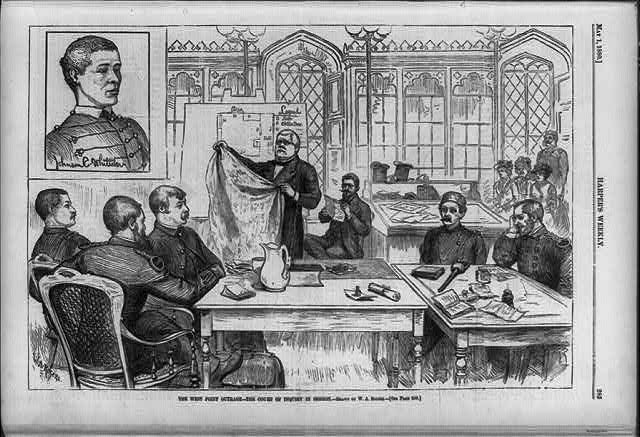
Inside the austere chambers of West Point’s military court, a drama was unfolding that would reverberate far beyond the academy’s granite walls. On April 10, 1880, Cadet Whittaker, one of the few African American cadets at the prestigious military institution, sat before a court of inquiry examining wounds that had sparked a national controversy about race, violence, and justice in America’s premier military academy.
Pioneer’s Courage Shapes Military Integration
The case had begun weeks earlier when Cadet Whittaker was found severely injured in his barracks room, bound and beaten. The incident occurred during a period of intense racial tension at West Point, where African American cadets faced systematic harassment and isolation from their white peers. The military establishment initially suggested that Whittaker had inflicted the wounds upon himself, a theory that outraged civil rights advocates and drew national scrutiny to the academy’s treatment of black cadets.
The Proceedings
The day’s proceedings were marked by what The Sun described as “many dramatic incidents.” Cadet Whittaker, “limping less than usual took his seat” just feet from his legal counsel, Lieutenant Knight, and proceeded to give testimony on various points raised during previous sessions. The court’s examination was thorough and methodical—at one point, the proceedings were suspended so that court members could personally examine the cadet’s wounds, seeking to determine their origin and severity.
FROM THE ARCHIVE
Like reading history this way?
Get one of these stories delivered every day. Free.
SUBSCRIBE →“limping less than usual took his seat
— The Sun, April 11, 1880
The atmosphere at West Point was charged with significance beyond the immediate case. Lieutenant Clinton Sears, the court’s recorder, had received news that Captain Micah Brown of the Engineer Corps had died, and it was believed his own promotion would soon be announced. Yet even such personal fortune could not overshadow the gravity of the proceedings, as the military justice system grappled with questions that went to the heart of racial equality in the armed forces.
National Significance
The Whittaker case represented more than a simple military disciplinary matter. It was a crucial test of whether the United States military would protect African American servicemen or perpetuate the racial violence that plagued civilian society. The court of inquiry’s findings would influence not only Whittaker’s future but also the broader question of black participation in America’s military institutions during the post-Reconstruction era.
The case drew intense media coverage, with newspapers across the country following each day’s developments. The proceedings highlighted the precarious position of African Americans in elite institutions and the challenges they faced in proving their worth and dignity in the face of systematic prejudice.
Whittaker Found Bound and Beaten
The Whittaker case became a foundational moment in the long struggle for racial integration of the U.S. military, a battle that would continue through World War II and beyond to the full integration ordered by President Truman in 1948. Today’s diverse officer corps at West Point and throughout the armed forces traces its origins to the courage of pioneers like Whittaker, who endured persecution to break down barriers that had excluded African Americans from military leadership.
Sources
- The Sun, April 11, 1880 — Library of Congress