

Manhunt Intensifies for Killer of Maryland Farmer George Peter, 1919
1919Beltsville Station, Maryland
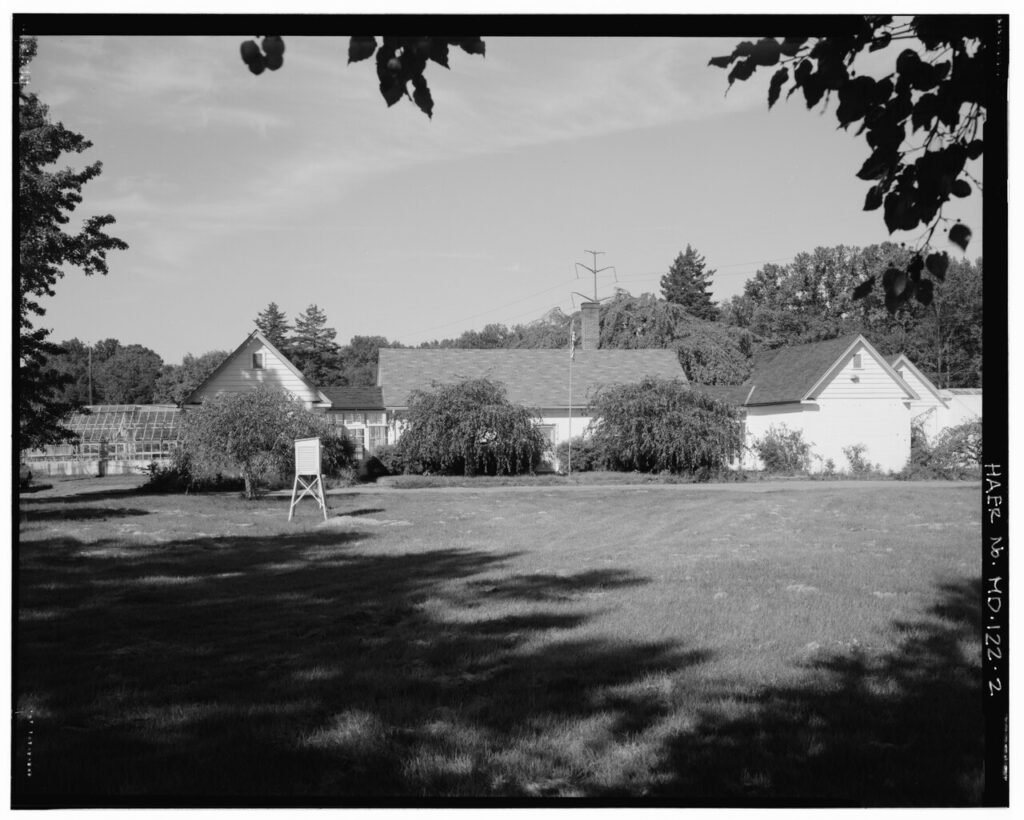
The blood trail leading to a nearby stream was all that remained of a killer’s escape route after one of the most brutal crimes to shake Prince Georges County in years. On August 18, 1919, farmer George Peter lay dead at Beltsville Station, his daughter Catherine clinging to life with serious gunshot wounds, while authorities launched what would become one of Maryland’s most intensive manhunts.
A Quiet Farm Turned Crime Scene
George Peter had lived a simple life at Beltsville Station, working the land that sustained his family. The quiet farming community rarely saw violent crime, making the sudden eruption of gunfire all the more shocking. When authorities arrived at the Peter farm, they found a scene that would haunt investigators for months to come.
Catherine Peter, despite her serious wounds, managed to provide crucial testimony to investigators. The young woman recalled that the killer had addressed her father directly, calling him “Mr. Peter” – a detail that suggested this was no random act of violence but a targeted attack.
“Trail of blood to stream is only clue to the crime
— The Washington Herald, August 19, 1919
FROM THE ARCHIVE
Like reading history this way?
Get one of these stories delivered every day. Free.
SUBSCRIBE →The Manhunt Begins
Sheriff W.W. Beall of Prince Georges County immediately mobilized every available resource. Deputy Sheriff Thomas W. Garrison assembled citizen posses to scour the countryside, but despite their “rigid search,” the killer remained frustratingly elusive. The only tangible evidence was a “trail of blood that led” to a nearby stream – proof that the assailant had been wounded in the encounter but had still managed to escape.
The investigation took a significant turn when authorities made three arrests in connection with the case. While the primary suspect – described as a negro murderer – continued to evade capture, these arrests suggested that investigators were closing in on a broader conspiracy or network of accomplices.
A Community on Edge
The Peter murder sent shockwaves through Prince Georges County’s farming communities. The fact that Catherine Peter could recall her father being addressed by name indicated the killer knew his victim, transforming what might have been dismissed as a random robbery into something far more sinister. This personal element made every neighbor wonder who they could trust.
The case highlighted the challenges facing rural law enforcement in 1919. Without modern forensic techniques or communication systems, Sheriff Beall and his deputies had to rely on citizen volunteers, bloodhounds, and old-fashioned detective work to track down their suspect across miles of Maryland countryside.
Why It Still Matters
The George Peter murder case exemplifies the evolution of American law enforcement from citizen posses to professional police work. Today’s Prince Georges County Police Department, one of the largest municipal forces in Maryland, traces its professional standards back to cases like this one that exposed the limitations of 19th-century sheriff systems. Modern forensic techniques – DNA analysis, ballistics testing, and crime scene photography – would have solved this case in days rather than the months of uncertainty that followed.
Sources
- The Washington Herald, August 19, 1919 — Library of Congress