

Arizona Governor Hunt Brawls with State Senator Over Colorado River Rights, 1928
1928Phoenix, Arizona
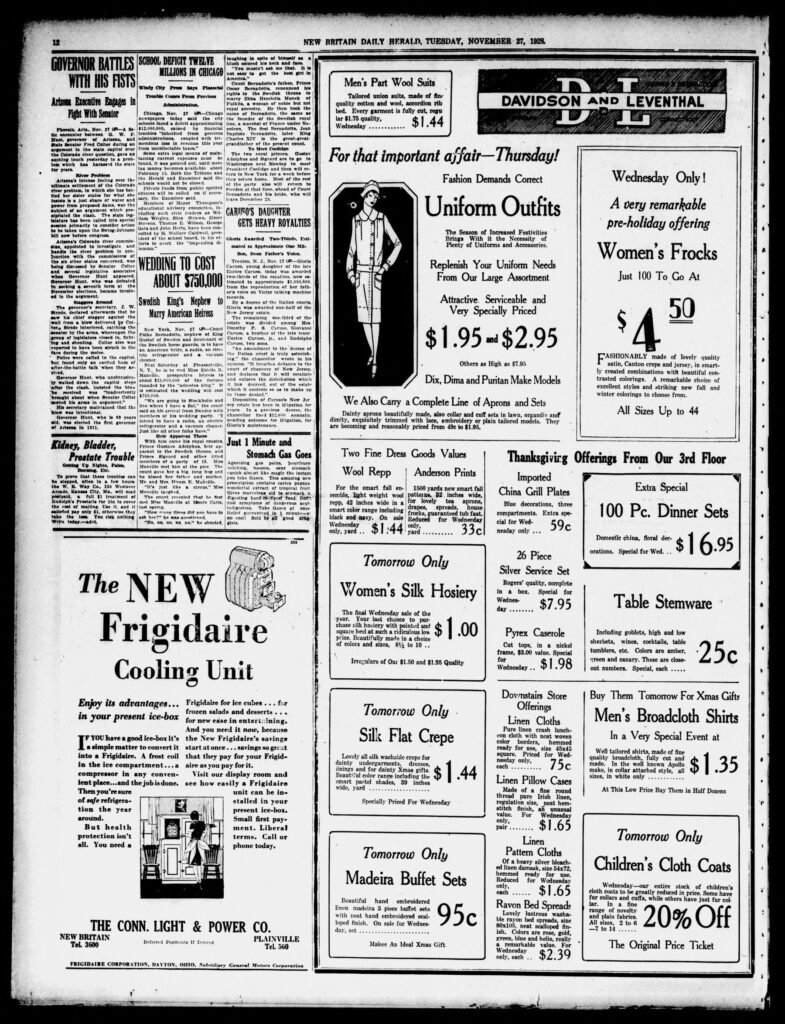
The marble halls of Arizona’s state capitol echoed with more than heated debate on November 26, 1928, when Governor George W.P. Hunt physically confronted State Senator Fred Colter during a fierce argument over the Colorado River’s future. The extraordinary clash between the state’s top executive and a prominent legislator laid bare the desperation gripping Arizona as Western states battled over precious water resources.
Lake Mead Crisis Echoes 1928 Brawl
Arizona had been locked in an increasingly bitter struggle with its neighbors over Colorado River water allocation for years. The state found itself fighting what officials saw as an unfair division of resources, having “battled her sister states for what she insists is a just share of water and power” from proposed dams along the mighty river. The dispute had reached a critical juncture with the introduction of the Swing-Johnson bill in Congress, legislation that would fundamentally reshape how the Colorado’s waters were distributed among seven competing states.
Hunt, Arizona’s longest-serving governor, had just suffered a stinging electoral defeat in his bid for a seventh term. Now a lame-duck executive with less than two months remaining in office, he faced the prospect of leaving unresolved the water rights battle that had consumed much of his political career. The legislature had been summoned into special session specifically to address Arizona’s response to the federal legislation.
“battled her sister states for what she insists is a just share of water and power
— New Britain Herald, November 27, 1928
Arizona Isolated Against Six States
The confrontation erupted when Hunt encountered Senator Colter and several legislative associates discussing Arizona’s Colorado River commission in the state capitol. The commission had been appointed to work alongside similar bodies from the six other affected states to negotiate a comprehensive settlement. But as tensions over water rights had escalated, so had political divisions within Arizona itself over how aggressively to pursue the state’s claims.
FROM THE ARCHIVE
Like reading history this way?
Get one of these stories delivered every day. Free.
SUBSCRIBE →
What began as a policy disagreement quickly devolved into something far more personal and physical. The exact sequence of events that led Hunt to engage in what newspapers described as “fisticuffs” with the state senator remains unclear, but the altercation was serious enough to draw widespread attention and underscore the enormous stakes involved in the Colorado River negotiations.
The timing could hardly have been worse for Arizona’s negotiating position. With Hunt’s political authority already diminished by his recent electoral loss, the public brawl between the governor and a key legislator suggested a state government in disarray at the moment when unity was most crucial.
Governor Throws Punches at Senator Colter
The Hunt-Colter altercation represented more than just a political scuffle—it epitomized the desperation and high emotions surrounding Western water politics in the 1920s. Arizona’s position in the Colorado River negotiations was precarious, with the state isolated against a coalition of other basin states that supported the Swing-Johnson bill. The legislation would authorize construction of what would become Hoover Dam and establish water allocations that Arizona viewed as fundamentally unfair.
Hunt’s willingness to resort to physical confrontation reflected the enormous pressure facing Arizona’s political leadership. The state’s future economic development, agricultural expansion, and population growth all hinged on securing adequate water supplies from the Colorado. Without a favorable settlement, Arizona risked being relegated to permanent second-class status among Western states.
The incident also highlighted the intense personal rivalries within Arizona politics. Hunt’s long tenure as governor had generated numerous enemies, and his lame-duck status emboldened critics like Colter to challenge his authority more directly. The physical altercation suggested that normal political discourse had broken down entirely under the weight of the water crisis.
Hunt’s Lame Duck Water War
The Colorado River compact negotiations that sparked Hunt’s brawl ultimately led to Arizona’s decades-long legal battle against the other basin states, culminating in the landmark 1963 Supreme Court case Arizona v. California. Today’s ongoing Colorado River crisis—with Lake Mead and Lake Powell at historic low levels—traces directly back to the allocation disputes that drove Hunt to fisticuffs in 1928. The Central Arizona Project, which finally delivered Colorado River water to Phoenix and Tucson in the 1990s, represents the ultimate fruition of the water rights battle that consumed Hunt’s final term as governor.
Sources
- New Britain Herald, November 27, 1928 — Library of Congress