

Senator Wheeler Warns America Faces War with Japan Rather Than Germany, 1940
1940United States
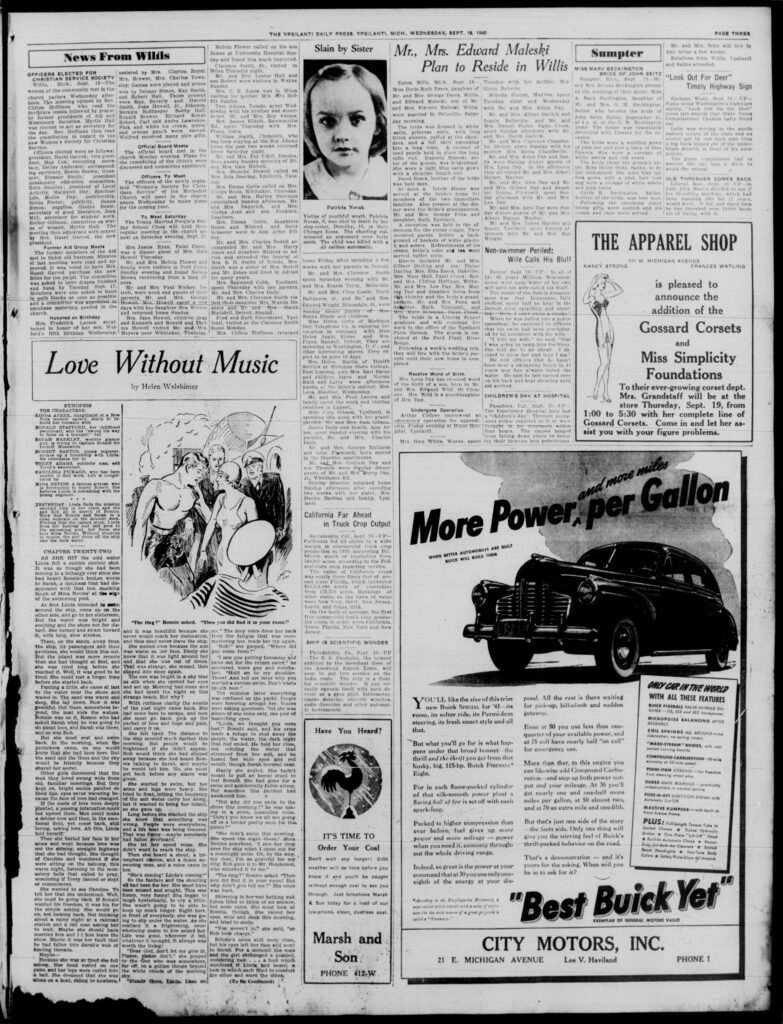
On a crisp September day in 1940, as Nazi bombers pounded London and most Americans feared being dragged into Hitler’s European war, one prominent senator issued a startling counterwarning. Burton K. Wheeler of Montana, a leading liberal voice in Congress, declared that “The United States is on the road to war but war with Japan rather than Germany.”
Pearl Harbor Vindicates Wheeler’s Pacific Warning
Wheeler’s warning came at a pivotal moment in American foreign policy. The Battle of Britain raged overhead as the Royal Air Force fought desperately to prevent a German invasion. Most political observers and citizens assumed that if America entered the global conflict, it would be to save Britain and fight Nazi Germany. Wheeler, however, had been closely watching developments in the Pacific, where Japan had been expanding aggressively since invading China in 1937.
As a prominent isolationist and liberal Democrat, Wheeler had consistently opposed American involvement in foreign wars. His prediction carried particular weight because of his position as a vocal critic of President Roosevelt’s increasingly interventionist policies. Wheeler understood that America’s growing economic sanctions against Japan over its actions in China were creating dangerous tensions.
“The United States is on the road to war
— The Ypsilanti Daily Press, September 18, 1940
FROM THE ARCHIVE
Like reading history this way?
Get one of these stories delivered every day. Free.
SUBSCRIBE →Isolationist Analysis Defies Conventional Atlantic Focus
The Montana senator’s warning, reported in newspapers across the country including The Ypsilanti Daily Press, represented a sharp departure from conventional wisdom. While most Americans focused on the European theater, Wheeler saw the real danger emerging from Japan’s imperial ambitions in the Pacific. His analysis proved remarkably prescient, though it would take fifteen months for events to vindicate his prediction.
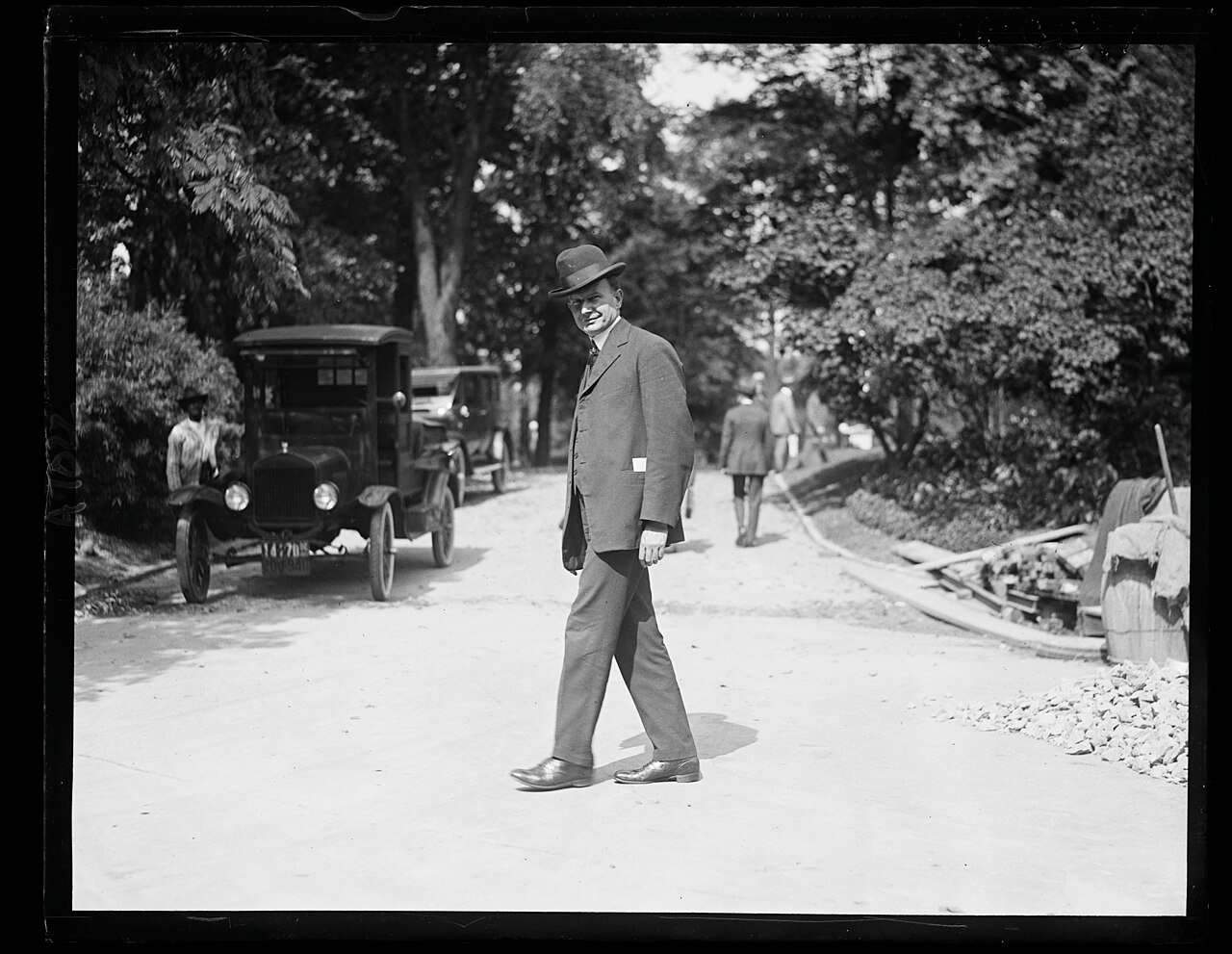
Wheeler’s statement reflected growing concerns about Japanese militarism and expansion throughout Southeast Asia. Japan had already formed the Axis alliance with Germany and Italy earlier that year, but Wheeler recognized that America’s direct interests lay more immediately in the Pacific than in Europe.
Montana Senator Predicts Japanese War Path
Wheeler’s warning highlighted the complex strategic calculations facing American policymakers in 1940. While Britain fought for survival against Nazi Germany, Japan continued its aggressive expansion in China and began eyeing European colonies in Southeast Asia. The senator’s prediction demonstrated an understanding that America’s economic interests and strategic position in the Pacific made conflict with Japan increasingly likely.
The warning also reflected the isolationist movement’s sophisticated analysis of global threats. Rather than simply opposing all foreign entanglements, Wheeler and other isolationists often provided detailed critiques of specific policy directions they believed would lead to war.
Wheeler Watches Pacific While Britain Burns
Wheeler’s prediction proved devastatingly accurate when Japan attacked Pearl Harbor on December 7, 1941, drawing America into World War II through the Pacific rather than Atlantic theater. His warning demonstrates how political leaders sometimes possess clearer foresight about emerging threats than conventional wisdom suggests, a lesson relevant to contemporary debates about rising powers and strategic competition in today’s Pacific region.
Sources
- The Ypsilanti Daily Press, September 18, 1940 — Library of Congress