

McKinley Demands China Prove Foreign Ministers Alive Before Peace Mediation, July 1900
1900Washington, D.C.
In the sweltering heat of a Washington summer, President William McKinley drew a diplomatic line in the sand that would shape America’s response to one of the most volatile international crises of his presidency. On July 29, 1900, McKinley issued formal conditions that China must meet before the United States would use its “friendly offices” to mediate peace during the Boxer Rebellion—a moment that crystallized America’s emerging role as a global diplomatic power.
Modern Hostage Diplomacy Traces to McKinley
The Boxer Rebellion had plunged China into chaos as anti-foreign militants besieged diplomatic compounds in Beijing. Foreign legations were cut off from communication with their home governments, and rumors swirled about the fate of diplomats trapped inside the international quarter. Multiple world powers had deployed military forces to China, creating a powder keg of competing imperial interests. Against this backdrop, McKinley faced intense pressure to define America’s position in what threatened to become a full-scale international intervention.
America Emerges as Global Peace Broker
McKinley’s announcement, reported in correspondence released on July 29, laid out three non-negotiable demands before America would mediate. First, China must “give public assurance whether the foreign ministers are alive and if so in what condition.” Second, the Chinese government must “put the diplomatic representatives of the powers in immediate and free communication with their respective governments and to remove any danger to their lives and liberty.” Third, China must “place the imperial authorities of China in communication with the relief expedition.”
“this government is ready to mediate in the interest of peace in China
— The Atlanta Constitution, July 30, 1900
FROM THE ARCHIVE
Like reading history this way?
Get one of these stories delivered every day. Free.
SUBSCRIBE →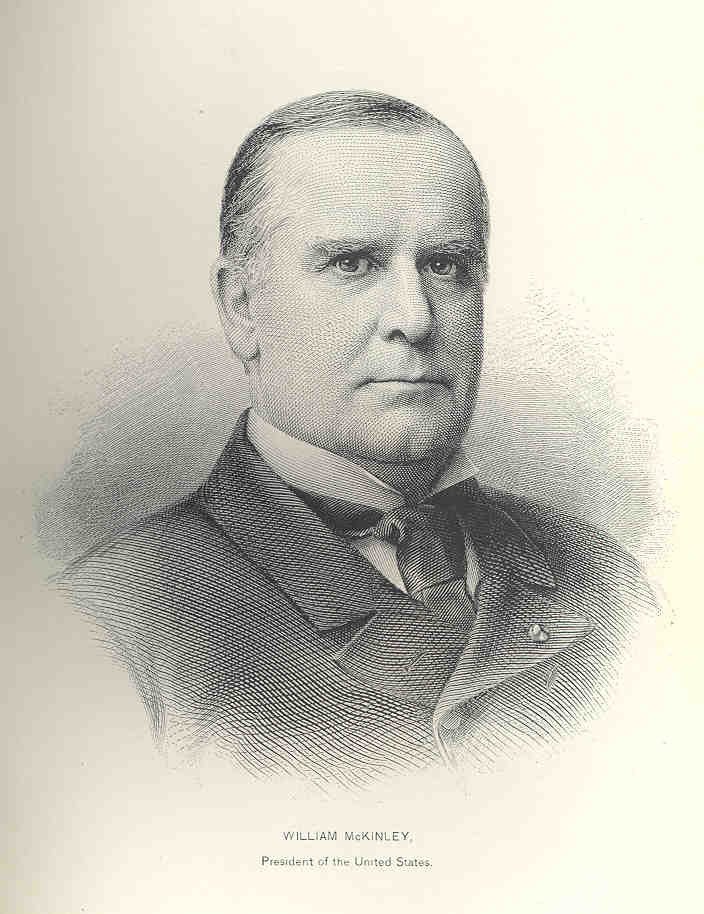
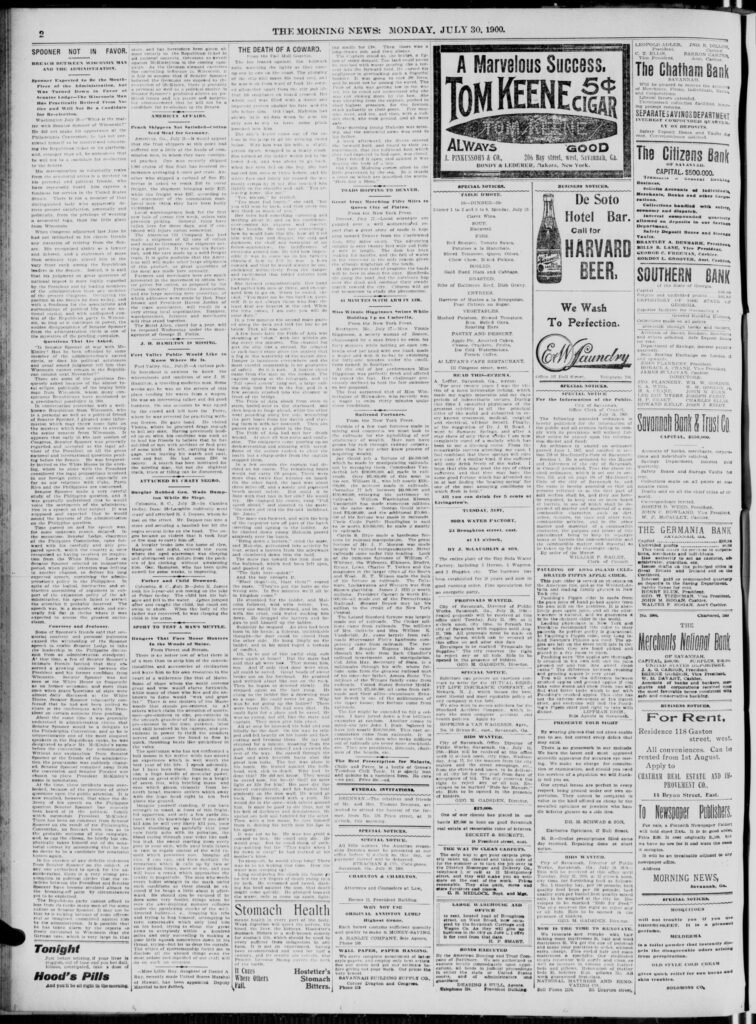
The Atlanta Constitution reported that McKinley’s formal announcement meant “this government is ready to mediate in the interest of peace in China” provided these conditions were met. The president’s letter to the Chinese emperor represented a calculated diplomatic gambit—offering American mediation while demanding concrete proof that foreign lives could be protected.
The timing was critical. Multiple dispatches had arrived from Chinese officials claiming the safety of foreign legations, but McKinley demanded verification before committing American diplomatic prestige to peace negotiations. The president’s conditions reflected both humanitarian concerns and hard-nosed realpolitik in an era when great powers were carving up spheres of influence in China.
McKinley Sets Three Conditions for Mediation
McKinley’s measured response marked a departure from traditional American isolationism while avoiding the trap of European-style imperial competition. By conditioning mediation on humanitarian guarantees, the president established a precedent for American diplomacy that prioritized the protection of foreign nationals over territorial gains. This approach would distinguish American policy in China from the more aggressive stances of European powers seeking commercial concessions.
The announcement also demonstrated McKinley’s skill at threading diplomatic needles. He offered American leadership in peace negotiations—elevating the United States to the role of honest broker—while setting conditions that would be difficult for China to refuse if they genuinely sought peaceful resolution. The president’s demands for verified communication with trapped diplomats reflected both moral imperatives and practical diplomatic necessities.
Boxer Rebellion Traps Beijing Diplomats
McKinley’s conditional mediation offer established patterns of American diplomatic engagement that persist today. The principle of demanding humanitarian protections before entering peace negotiations became a cornerstone of modern American foreign policy, visible in contemporary diplomatic efforts from hostage negotiations to international crisis mediation. The State Department’s current emphasis on protecting American citizens abroad and conditioning diplomatic engagement on human rights considerations traces directly back to precedents like McKinley’s China policy.
Sources
- The Atlanta Constitution, July 30, 1900 — Library of Congress