

Metz Falls to Prussians as Marshal Bazaine Surrenders with 180,000 Troops, 1870
1870Metz, France
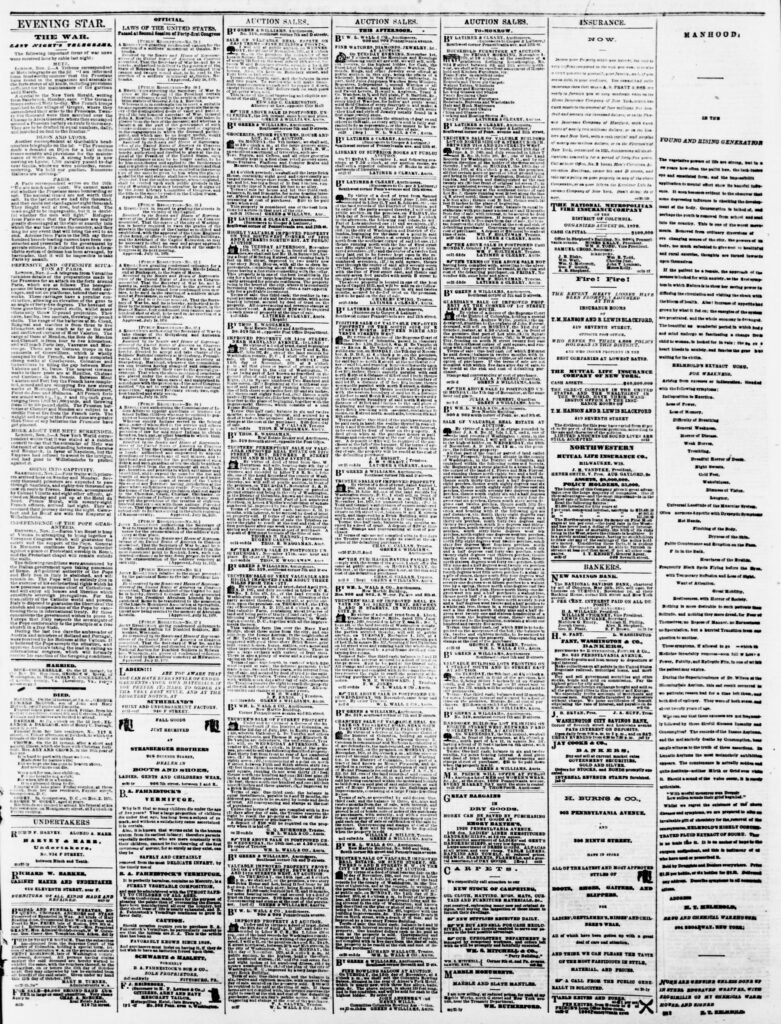
The thunder of Prussian artillery that had echoed across the fortress city of Metz for seventy-three days finally fell silent on November 3, 1870. In one of the most catastrophic military surrenders in French history, Marshal François Achille Bazaine handed over not just the strategic stronghold, but an entire army of 180,000 men to the advancing Prussian forces.
Metz Becomes Symbol of Franco German Reconciliation
The siege of Metz had begun in late August 1870, as Prussia’s swift campaign against France trapped Bazaine’s Army of the Rhine within the fortress walls. What was intended to be a temporary defensive position became a death trap as Prussian forces under Prince Friedrich Karl methodically encircled the city. The siege represented a crucial theater in the Franco-Prussian War, which had erupted over tensions surrounding the Spanish succession and Prussian Chancellor Otto von Bismarck’s diplomatic maneuvering.
Inside the fortress, conditions deteriorated rapidly. Food supplies dwindled, disease spread among the crowded troops, and morale collapsed as weeks turned to months without relief. French attempts to break the siege from the outside had failed, leaving Bazaine’s massive force isolated and increasingly desperate.
“provisions sufficient for the maintenance of the garrison until March
— New-York Tribune, November 3, 1870
France Loses Quarter of Its Fighting Force
According to Tribune correspondents reporting from Metz, Prussian forces discovered vast military stores upon entering the city. The correspondent noted that the arsenal and fort contained “provisions sufficient for the maintenance of the garrison until March” – a revelation that would later fuel accusations that Bazaine surrendered prematurely with ample supplies remaining.
FROM THE ARCHIVE
Like reading history this way?
Get one of these stories delivered every day. Free.
SUBSCRIBE →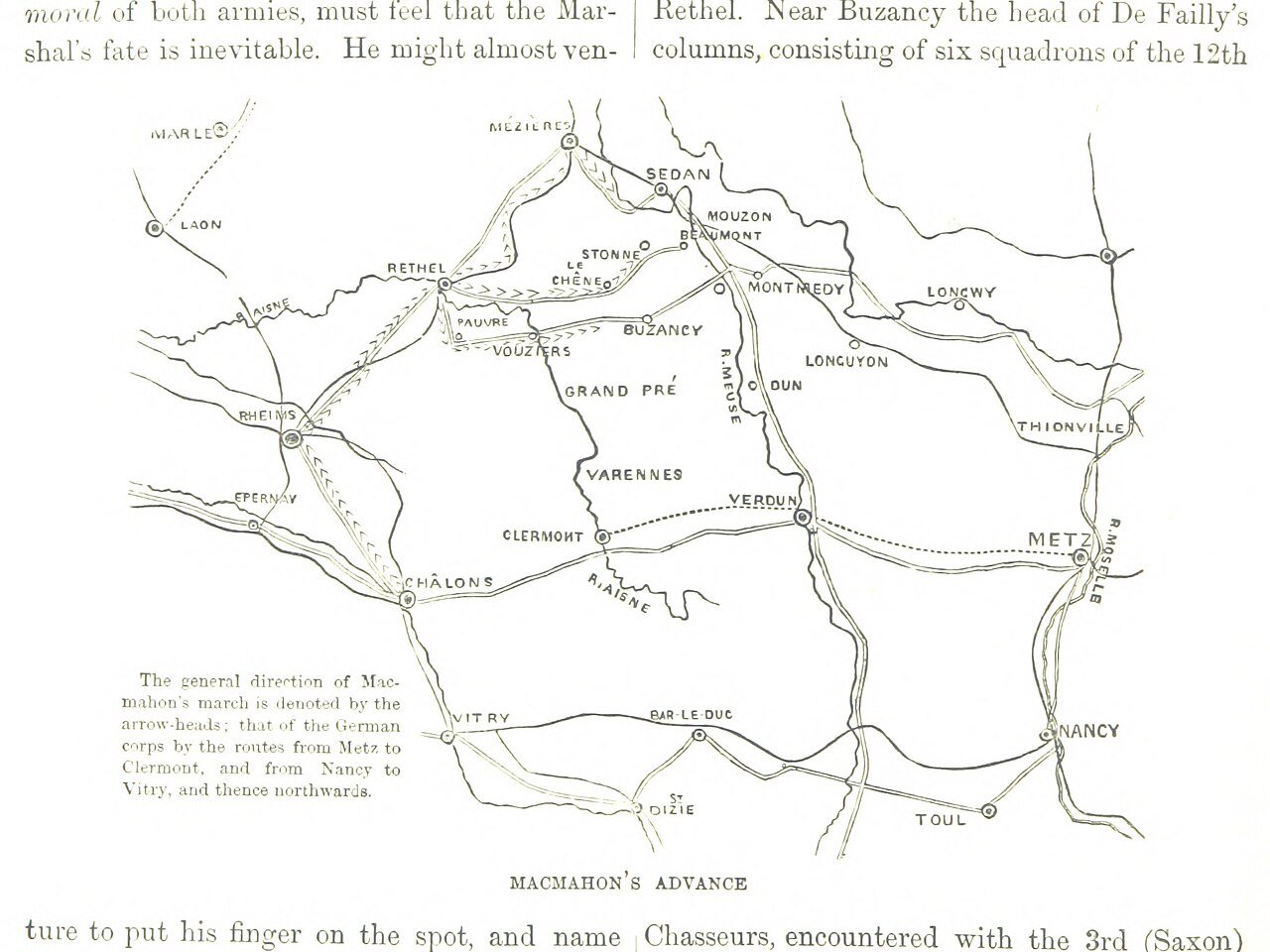
The magnitude of the capitulation became clear as prisoner columns began their march to Germany. Reports from Saarbrück described the massive logistical operation required to process the surrendered forces. “Seventy thousand prisoners are expected to pass through Saar Louis” according to war correspondents, while Marshal Bazaine himself, accompanied by Colonel Villette and other staff officers, arrived at Saarbrück on Monday before continuing his journey into captivity.
The surrender included not just the troops, but the entire fortress infrastructure. The Prussians seized the city’s armaments, ammunition stores, and strategic position controlling key transportation routes between France and Germany. Twenty-five thousand French troops were immediately marched across the frontier to imprisonment, with plans to process equal numbers daily until the entire army was transferred.
180,000 French Troops March Into Prussian Captivity
The fall of Metz represented a catastrophic blow to French military capabilities. The loss of 180,000 seasoned troops – nearly one-quarter of France’s total army – effectively crippled French resistance efforts. More devastating than the numerical loss was the surrender of France’s most experienced field commanders and veteran regiments, men who could not be quickly replaced.
For Prussia, the victory opened the road to Paris and validated the military reforms that had transformed the German states into Europe’s most formidable fighting force. The siege demonstrated the effectiveness of modern artillery, railroad logistics, and coordinated staff planning that characterized Prussian military doctrine.
The political implications extended far beyond the battlefield. The disaster at Metz contributed to the final collapse of Napoleon III’s Second Empire and hastened the proclamation of the Third French Republic. Meanwhile, Prussia’s stunning success accelerated the unification of German states under Prussian leadership.
Bazaine’s Army Trapped Behind Fortress Walls
The siege of Metz established operational principles that defined modern warfare through both World Wars. The fortress city’s strategic location made it a focal point again in 1944, when American forces under General Patton fought to liberate it from German occupation. Today, Metz serves as headquarters for the Franco-German Brigade, symbolizing the reconciliation between nations whose bitter conflict began with Bazaine’s surrender 154 years ago.
Sources
- Evening Star, November 3, 1870 — Library of Congress
- New-York Tribune, November 3, 1870 — Library of Congress