Admiral Sims Refuses Naval Gag Order in Daniels Controversy, 1920
1920New York, New York
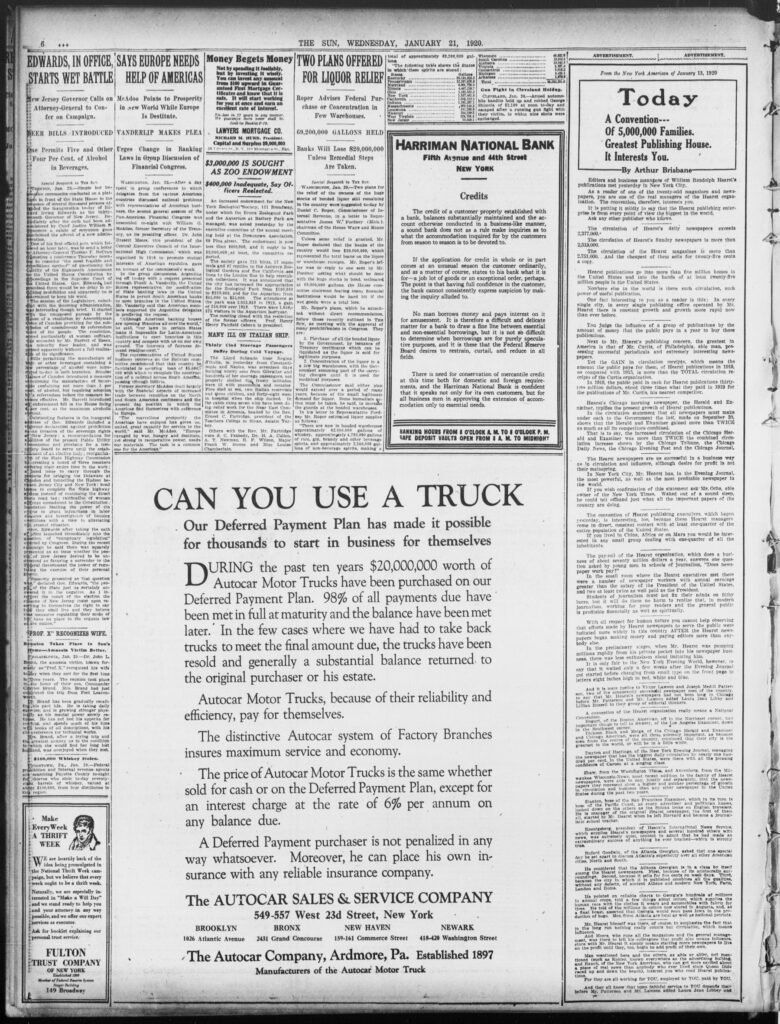
In a packed ballroom at New York’s Waldorf Hotel on January 20, 1920, Rear Admiral William S. Sims delivered what amounted to a declaration of war against his own Navy Department. Speaking before 600 diners who alternated between laughter and gasps, the decorated naval officer made clear he would not be silenced by Secretary of the Navy Josephus Daniels, no matter the consequences.
Modern Military Whistleblowing Precedent
The confrontation between Sims and Daniels had been brewing since the end of World War I, when the admiral began publicly criticizing the Navy Department’s conduct during the conflict. Sims, who had commanded U.S. naval forces in European waters during the war, alleged serious failures in naval preparedness and strategy that he believed endangered American lives and prolonged the conflict.
The Navy Department, led by Daniels, had attempted to suppress such criticism through regulations that prevented officers from making public statements that could be construed as critical of department policies. This created a bitter standoff between one of America’s most celebrated naval commanders and the civilian leadership of the Navy.
“Officer Afraid to Speak Is Not Worth Powder to Blow Him Up
— The Sun, January 21, 1920
Senate Investigation Sparks Military Reform
At the Waldorf dinner, Sims threw down the gauntlet with characteristic bluntness. “Officer Afraid to Speak Is Not Worth Powder to Blow Him Up,” he declared, making his position unmistakably clear. The admiral argued that the very regulations designed to maintain military discipline were actually harming national security by preventing honest assessment of military failures.
FROM THE ARCHIVE
Like reading history this way?
Get one of these stories delivered every day. Free.
SUBSCRIBE →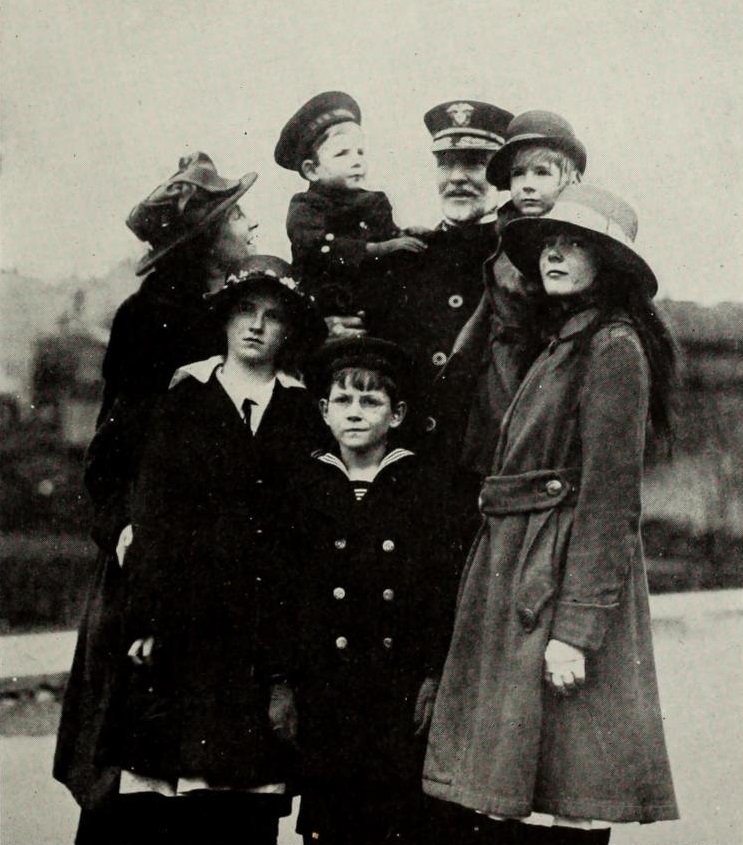
Sims told the assembled diners that “if it were not for the vicious naval regulation which prevents an officer from making public criticism and thus creating public opinion all the trouble that has come about would never have existed.” He defended naval officers who spoke out about faults that needed correction, asserting that such honesty was essential to prevent future military disasters.
The admiral’s defiance came at a particularly sensitive moment, as a Senate subcommittee was preparing to investigate the Navy Department’s wartime conduct. According to reports, Sims was prepared to produce “absolute proof” of questionable instructions he had received, including claims about British influence on American naval strategy.
Waldorf Ballroom Defiance Speech
The Sims-Daniels controversy represented far more than a personal feud between two strong-willed men. It highlighted fundamental tensions between civilian control of the military and the professional judgment of career officers. The dispute exposed deep disagreements about how the Navy had performed during World War I and raised serious questions about accountability in military leadership.
The controversy also reflected broader post-war debates about American military preparedness and the lessons learned from the recent global conflict. Sims’s willingness to challenge his superiors publicly represented an unusual breach of military protocol that captured national attention and forced a public examination of naval policies.
The Senate investigation that followed would become a major political issue, with supporters of Secretary Daniels attempting to discredit Sims while the admiral’s allies pushed for a comprehensive review of naval conduct during the war. The investigation promised to reveal previously classified information about American naval strategy and its effectiveness.
Sims Versus Daniels Brewing Feud
The Sims-Daniels controversy established important precedents for military whistleblowing that continue to resonate today. Modern military officers who speak out about institutional failures or policy mistakes often invoke the same principles that Sims articulated in 1920. The tension between military loyalty and professional honesty that played out in this controversy remains a defining challenge in civil-military relations, visible in contemporary debates about military leaders’ responsibility to speak truth to power even when it conflicts with official policy.
Sources
- The Sun, January 21, 1920 — Library of Congress