Union Veterans Stage Political Rally with Anti-Confederate Display in Chicago, October 1880
1880Chicago, Illinois
On a crisp October day in Chicago, the ghosts of America’s bloodiest conflict marched again through city streets. Union veterans, their blue uniforms now weathered by fifteen years of peace, organized an elaborate political demonstration that laid bare the deep wounds still festering between North and South as the nation approached the 1880 presidential election.
Visual Propaganda Echoes in Modern Campaigns
The presidential campaign of 1880 found America still deeply divided along the sectional lines that had torn the nation apart two decades earlier. Republican candidate James Garfield faced Democrat Winfield Scott Hancock in a contest that would determine whether the gains of Reconstruction could be preserved or would be rolled back by what Republicans termed “the Solid South.” Veterans of the Union Army, many now middle-aged men with families and businesses, remained deeply suspicious of Democratic politicians they viewed as unrepentant rebels.
In Chicago, a city that had sent thousands of sons to fight for the Union cause, these veterans found fertile ground for their political organizing. The Grand Army of the Republic and similar organizations provided ready-made networks for mobilizing former soldiers into potent political forces.
“The Solid South Loyal North and Columbia
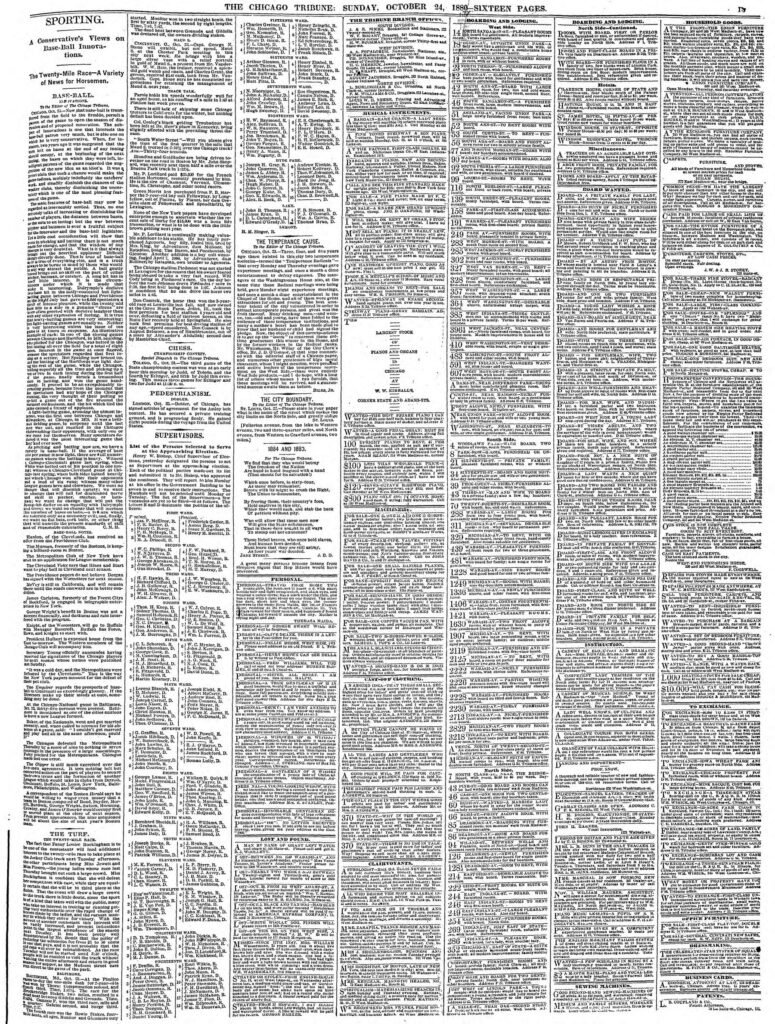
— Chicago Daily Tribune, October 24, 1880
FROM THE ARCHIVE
Like reading history this way?
Get one of these stories delivered every day. Free.
SUBSCRIBE →Bloody Shirt Strategy Mobilizes Chicago Veterans
The Union Veterans’ demonstration featured an extraordinary series of painted transparencies mounted on wagons, each measuring approximately sixteen feet long and six feet high. The centerpiece depicted an allegorical scene of stunning dramatic power: “The Solid South Loyal North and Columbia” showed the Goddess of Liberty representing America threatened by an unrepentant Confederate soldier advancing with drawn pistol, only to be saved by the intervention of a Union soldier who knocked the weapon from the would-be assassin’s hand.
The imagery was deliberately provocative and unsubtle. The Confederate figure, still wearing his gray uniform, was shown looking “with malignant eyes towards the defended and defender,” while nearby transparencies depicted scenes of plantation slavery with cotton fields where “negroes are at work picking cotton with the slavedriver standing by wielding his” whip. The veterans made their message unmistakable: the Democratic Party represented a continuation of the Confederate cause by other means.
Other wagons carried portraits of Republican candidates Garfield and Arthur, while disabled veterans and sons of fallen soldiers rode alongside, their presence serving as living reminders of the war’s cost. The procession moved through Chicago’s streets like a political morality play, designed to stir both memory and fear among Northern voters.
Sixteen Foot Transparencies Depict Confederate Menace
This demonstration reflected the broader strategy of “waving the bloody shirt” that defined Republican politics in the Gilded Age. By constantly invoking Civil War memories, Republicans sought to maintain their electoral dominance by portraying Democrats as the party of treason and regression. The elaborate nature of the Chicago display—with its carefully crafted artistic propaganda—showed how sophisticated these appeals had become.
The rally also revealed the extent to which Civil War veterans remained organized and politically active fifteen years after Appomattox. Their ability to stage such elaborate demonstrations indicated both their continued influence in Republican politics and their determination to shape the nation’s memory of the conflict. The allegorical imagery they employed would become standard in Republican campaign materials for years to come.
Garfield Faces Hancock in Fractured Nation
This 1880 rally represents an early example of how political movements use visual propaganda and historical memory to mobilize voters—techniques that remain central to American politics today. The veterans’ use of elaborate displays and symbolic imagery anticipated the sophisticated visual campaigns of modern political advertising. Moreover, their strategy of depicting political opponents as existential threats to American liberty established a template for the polarized political rhetoric that continues to characterize American elections in the 21st century.
Sources
- Chicago Daily Tribune, October 24, 1880 — Library of Congress