

Mount Pelée Continues Devastating Eruption as Refugees Flee Martinique, 1902
1902Martinique, French West Indies
One month after Mount Pelée’s catastrophic eruption obliterated the city of Saint-Pierre, the volcano continued its reign of terror across the French Caribbean island of Martinique. On June 3, 1902, as survivors huddled in refugee camps and ash continued to rain down on neighboring islands, the full scope of one of the deadliest volcanic disasters in recorded history was still unfolding.
USGS Monitoring Systems Born From Caribbean Catastrophe
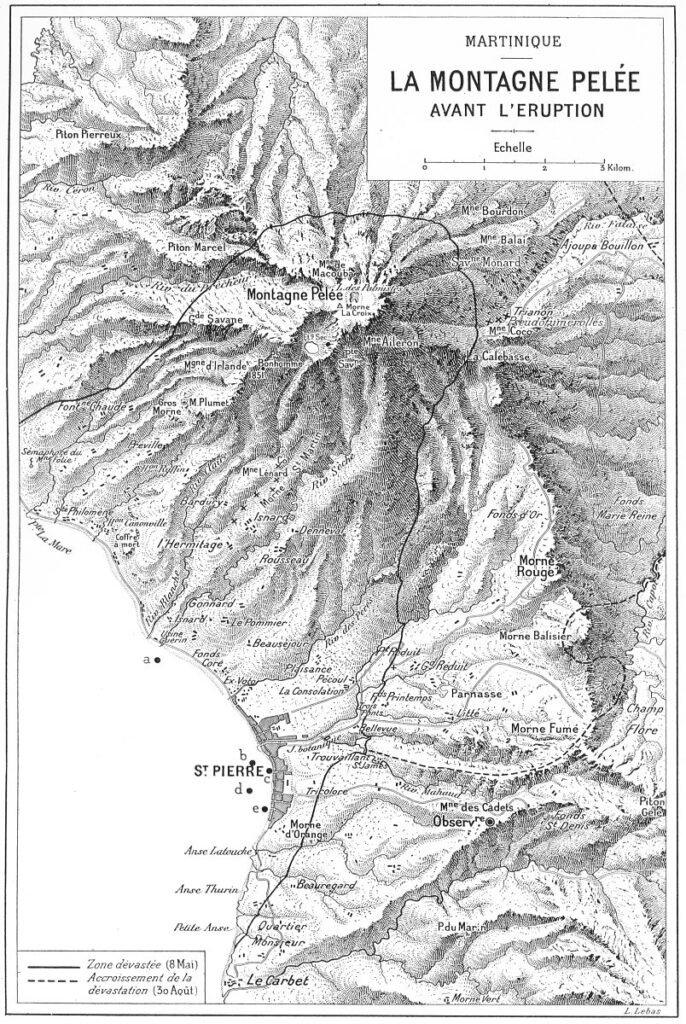
Mount Pelée had been showing signs of unrest for weeks before its devastating eruption on May 8, 1902. The 4,583-foot stratovolcano, located on the northern tip of Martinique, had been dormant for decades. Saint-Pierre, known as the “Paris of the Caribbean” for its cultural sophistication and economic importance, sat directly in the volcano’s shadow with a population of approximately 30,000 residents.
When Pelée finally erupted with explosive force, it unleashed pyroclastic flows—superheated clouds of gas, ash, and rock—that raced down the mountainside at speeds exceeding 100 miles per hour. The city of Saint-Pierre was obliterated in minutes, with only a handful of survivors escaping the inferno that reached temperatures of over 1,800 degrees Fahrenheit.
“Huge black clouds are rolling over Fort de France
— Evening Bulletin, June 3, 1902
30,000 Deaths Launch Modern Volcanology
By June 3, nearly a month after the initial catastrophe, Mount Pelée remained dangerously active. According to reports reaching Hawaii through telegraph cables, “huge black clouds are rolling over Fort de France in great masses in which there are peculiar lightning flashes.” The ongoing eruptions were creating massive ash plumes that stretched across the Caribbean, affecting not just Martinique but surrounding islands as well.
FROM THE ARCHIVE
Like reading history this way?
Get one of these stories delivered every day. Free.
SUBSCRIBE →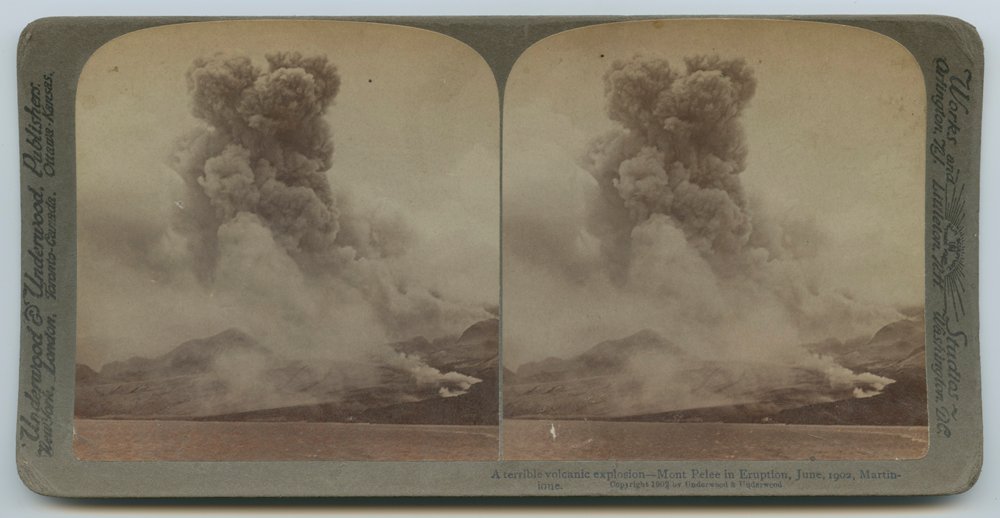
The situation for survivors had become increasingly desperate. Refugees were “now flocking into” camps established away from the immediate danger zone, but the constant threat of additional eruptions kept the entire population on edge. The volcanic activity showed no signs of abating, with Fort-de-France, the island’s capital and largest remaining city, now under the shadow of the ash clouds.
The refugees faced not only the immediate dangers of the ongoing eruption but also the very real threat of disease outbreaks in the overcrowded camps. Sanitation was poor, food supplies were limited, and medical care was overwhelmed by the scale of the disaster.
June Ash Clouds Threaten Fort-de-France
The Mount Pelée eruption of 1902 stands as one of the most devastating volcanic disasters in recorded history. The death toll from the May 8 eruption alone was estimated at 30,000 people, making it the deadliest volcanic event of the 20th century. The complete destruction of Saint-Pierre demonstrated the catastrophic power of pyroclastic flows, a phenomenon that was not well understood by scientists at the time.
The disaster had profound implications for volcanic science and hazard assessment. The eruption provided crucial data about the behavior of explosive volcanoes and the deadly nature of pyroclastic flows. French scientists who arrived to study the aftermath would contribute significantly to the emerging field of volcanology, helping to develop better methods for predicting and preparing for volcanic eruptions.
The economic impact on the French Caribbean was enormous. Saint-Pierre had been the commercial heart of Martinique, and its destruction shifted the island’s center of gravity permanently to Fort-de-France. The sugar industry, which had been the backbone of the island’s economy, was devastated, and it would take decades for Martinique to fully recover.
Saint-Pierre Under Pelée’s Shadow
The Mount Pelée disaster directly influenced the development of modern volcanic monitoring systems used today by the United States Geological Survey and volcano observatories worldwide. The techniques for monitoring gas emissions, seismic activity, and ground deformation that protect communities near active volcanoes like those in Alaska, Hawaii, and the Cascade Range trace their scientific lineage back to lessons learned from this Caribbean catastrophe. The disaster also established international protocols for volcanic emergency response that continue to save lives in volcanic regions across the globe.
Sources
- Evening Bulletin, June 3, 1902 — Library of Congress