

Italian Forces Hold Mountain Front as Austro-German Offensive Stalls at Monte Grappa, November 1917
1917Monte Grappa, Italy
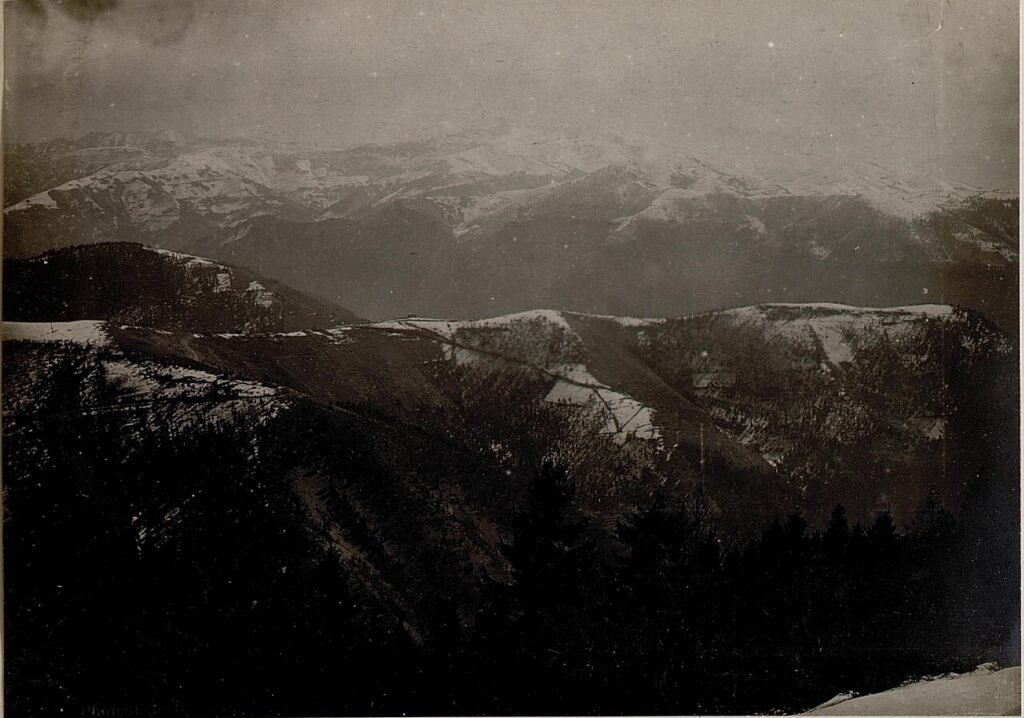
In the shadow of the Italian Alps, where snow-capped peaks rise like ancient sentinels above the Venetian plain, a desperate battle raged through the third week of November 1917. Austrian and German forces, having shattered Italian lines at Caporetto the month before, now pressed their advantage along a thin mountain front between the Brenta and Piave rivers. Yet despite enormous pressure over twenty-four hours of continuous fighting, Italian defenders held their ground at one of the war’s most crucial geographic chokepoints.
The Last Strategic Height
Monte Grappa dominated the battlefield like a natural fortress. Rising nearly 6,000 feet above the Venetian plain, this massive limestone peak represented the final barrier between the advancing Central Powers and the Italian heartland. If the mountain fell, enemy forces could “pour down into the plain” and potentially end Italy’s participation in the Great War. The German Krebatin army, operating in coordination with Austrian units, had concentrated “the bulk of their heavy artillery and a considerable number of reserves for the final assault” against this single objective.
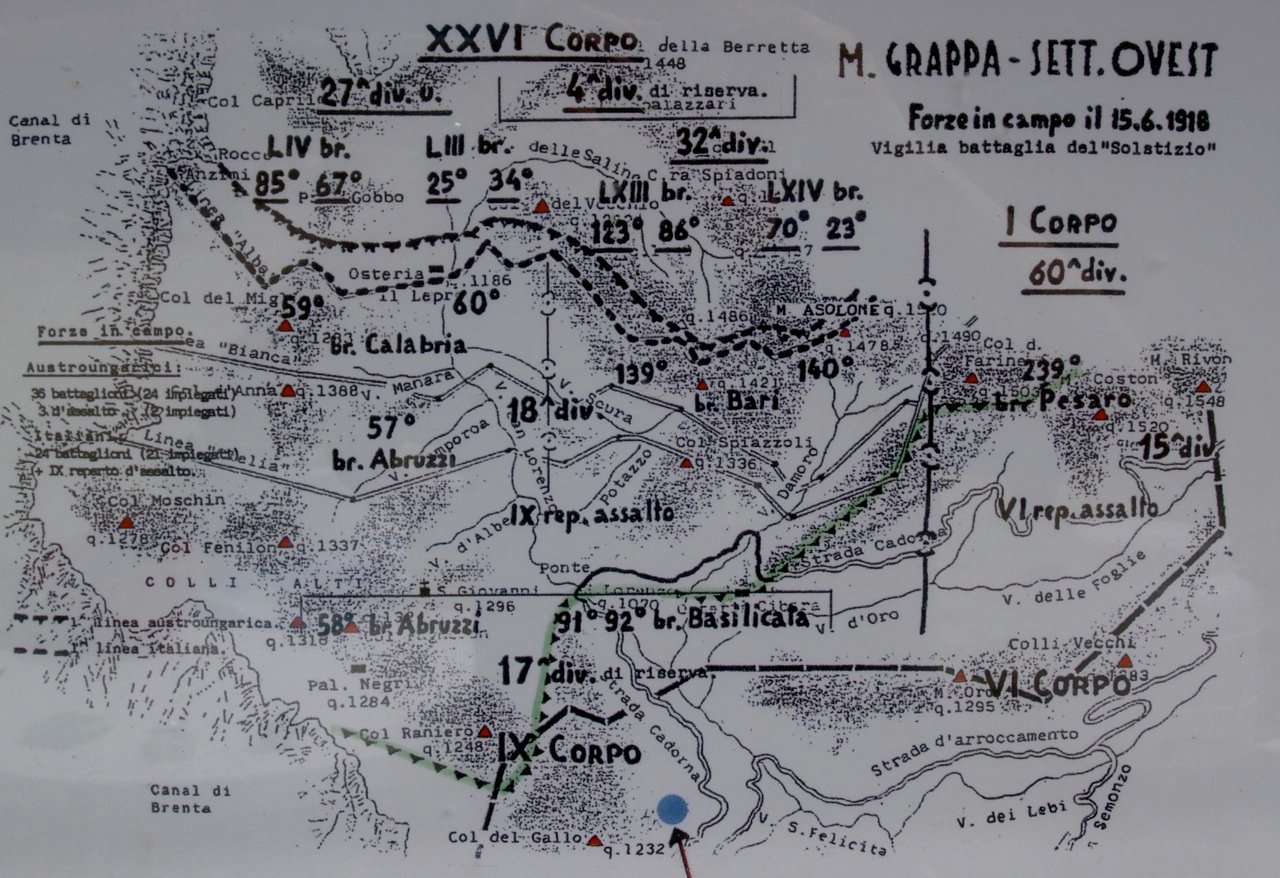
For three days and nights, battle had raged around Monte Grappa’s summit and southern approaches. The Washington Herald reported that Italian forces still “stubbornly defended” key positions including Monte Monfeneta and the summit of Monte Tomba, even as enemy artillery pounded their positions without respite.
“With courage beyond all praise
— The Washington Herald, November 21, 1917
FROM THE ARCHIVE
Like reading history this way?
Get one of these stories delivered every day. Free.
SUBSCRIBE →Courage Beyond Praise
Despite facing overwhelming odds, Italian troops demonstrated remarkable resilience. “With courage beyond all praise,” as the Italian war office statement characterized their efforts, defenders repeatedly drove back Teutonic assault forces attempting to scale the mountain’s rocky slopes. The battle had become a grinding war of attrition, with neither side able to deliver a decisive blow despite the strategic importance of the position.
The broader Italian front remained precarious but stable. Along the entire line from the Brenta to the Piave rivers, Italian forces had managed to halt the enemy advance that had begun so catastrophically at Caporetto. The Austro-German offensive, which had initially swept through Italian defenses like a flood, now faced the reality of mountain warfare against determined defenders fighting for their homeland’s survival.
No End in Sight
As November 21 dawned, military correspondents reported that “no end is yet in sight” to the savage fighting around Monte Grappa. The battle represented more than a tactical engagement—it had become a test of national will. Italian forces, having suffered devastating defeats and mass desertions following Caporetto, were proving they could stand against the combined might of two empires when backed against their country’s geographic spine.
The outcome would determine not just the fate of northern Italy, but potentially the entire Mediterranean theater of the Great War. Every shell that fell on Monte Grappa’s slopes, every trench that changed hands in the bitter November cold, brought the Central Powers either closer to decisive victory or marked another step toward the eventual stabilization of the Italian front.
The Line That Held
Monte Grappa’s successful defense marked the beginning of Italy’s recovery from the Caporetto disaster. The mountain positions would hold through 1918, becoming a symbol of Italian resistance that echoes today in the numerous World War I memorials and hiking trails that crisscross the peak. Modern visitors to the Grappa massif can still trace the old trench lines and visit the ossuary containing remains of soldiers from both sides who died in these November battles.
Sources
- The Washington Herald, November 21, 1917 — Library of Congress