

Washington Transit Company Refuses to Hire Black Workers Under Strike Threat, 1954
1954Washington, D.C.
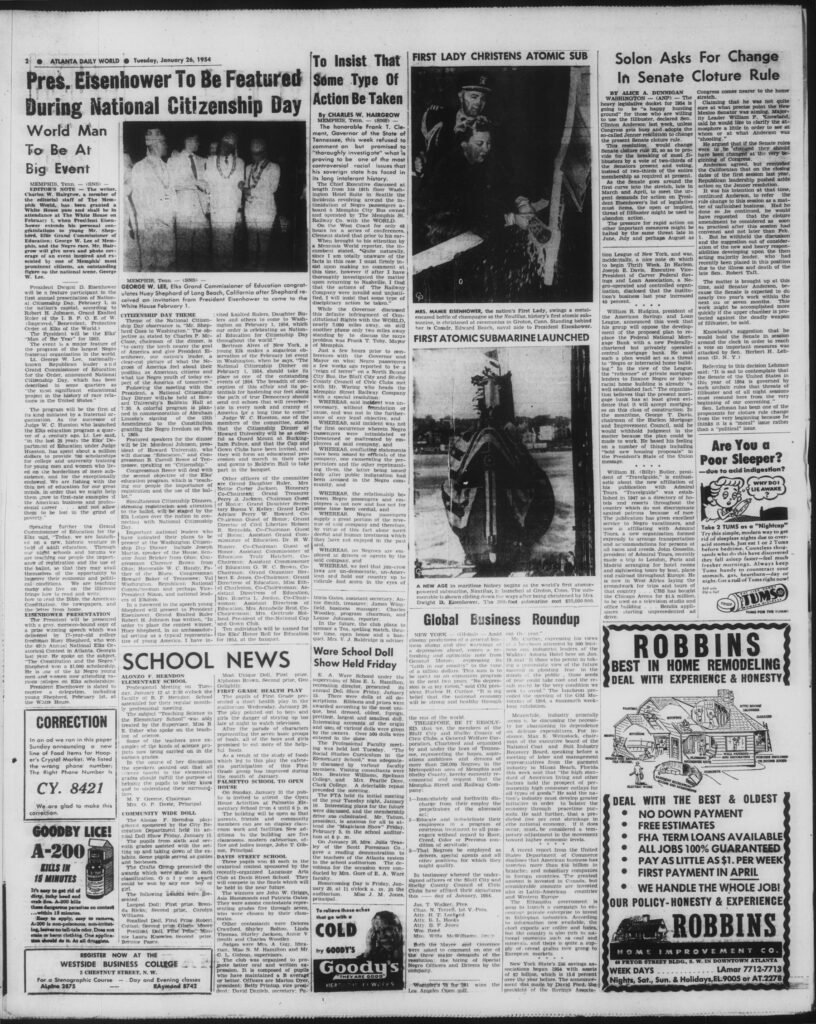
In a moment of startling candor before a U.S. Senate committee, the president of Washington D.C.’s Capital Transit Company admitted his firm would continue barring Black workers from operator positions—not out of company prejudice, but to avoid strikes by white employees. The January 26, 1954 testimony exposed the naked reality of how labor intimidation perpetuated racial segregation in the nation’s capital, just months before the Supreme Court would outlaw separate but equal education.
Metro’s 1976 Integration Overcame Transit Segregation
The Capital Transit Company operated Washington D.C.’s extensive streetcar and bus network, employing hundreds of motormen and drivers who formed the backbone of the city’s public transportation system. As the civil rights movement gained momentum in the early 1950s, pressure mounted on public utilities and transportation companies to integrate their workforces. The company had previously placed help-wanted advertisements in local newspapers without any racial restrictions, suggesting openness to hiring qualified applicants regardless of race.
White Workers Veto Black Employment
During a Senate District of Columbia subcommittee hearing investigating transportation problems in Washington, company president J.A.B. Broadwater faced pointed questioning from Senator Frederick G. Payne of Maine. When reminded of his previous testimony that the company had “absolute no objection in any way shape or form to hiring colored platform workers,” Broadwater was forced to confront the contradiction between company policy and practice.
“we are not prejudiced but we are not not in the slightest
— Atlanta Daily World, January 26, 1954
FROM THE ARCHIVE
Like reading history this way?
Get one of these stories delivered every day. Free.
SUBSCRIBE →The Maine senator pressed further, asking whether Capital Transit would continue rejecting applications from Black workers for streetcar and bus operator positions. Broadwater’s response was unambiguous: “Under the present conditions,” he replied, the company would indeed continue such rejections. The “present conditions” he referenced were the explicit threats by white motormen and bus drivers to strike if Black workers were hired for platform jobs.
Most tellingly, Broadwater had previously insisted that “lots of people had the idea that because we are from the South we are prejudiced but we are not not in the slightest.” Yet his Tuesday testimony revealed that regardless of management’s stated attitudes, white workers held effective veto power over the company’s hiring practices.
Broadwater Admits Strike Fears Drive Hiring
This congressional testimony illuminated a crucial mechanism by which workplace segregation persisted even where official company policy claimed colorblindness. The Capital Transit case demonstrated how organized white resistance could override both management preferences and emerging legal requirements for equal treatment. It also showed how economic intimidation—the threat of strikes that would cripple city transportation—gave white workers leverage to maintain racial exclusion.
The timing was particularly significant, coming as the Supreme Court was deliberating the Brown v. Board of Education case that would be decided just four months later. While legal victories were mounting against official segregation, the Capital Transit testimony revealed the stubborn unofficial barriers that would prove equally challenging to dismantle.
Capital Transit Controls DC Streetcar Network
The Washington transit case foreshadowed the pattern of white resistance that would emerge across American workplaces following civil rights legislation. Today’s ongoing debates over workplace discrimination, union solidarity, and economic equity still grapple with the legacy of how organized opposition can undermine formal policies of inclusion. The Metro system that replaced Capital Transit in 1976 serves as a reminder of how public transportation evolved from a site of exclusion to integration.
Sources
- Atlanta Daily World, January 26, 1954 — Library of Congress