

Washington Snowbound as Blizzard Paralyzes Capital in February 1899
1899Washington, District of Columbia
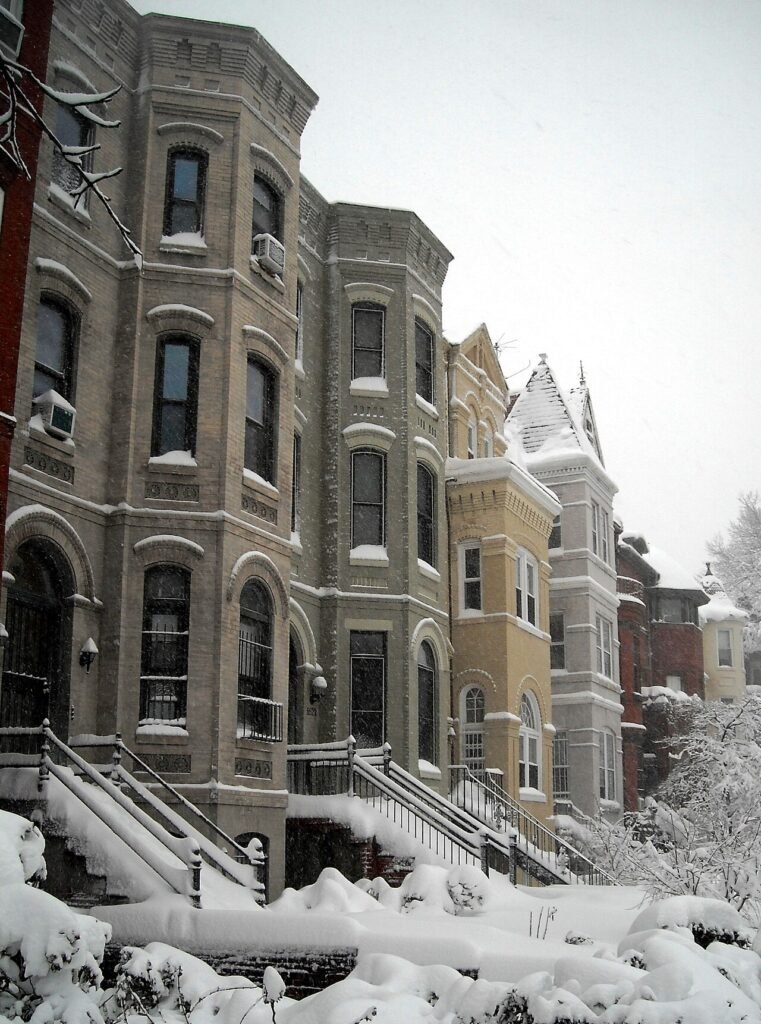
On the morning of February 12, 1899, the nation’s capital awoke to a scene of white devastation. A relentless blizzard had transformed Washington into an arctic wasteland, with snow drifts blocking streets and bringing the city to a virtual standstill. What had begun as winter weather the night before had escalated into one of the most paralyzing storms in the capital’s memory, trapping residents in their homes and exposing the harsh reality of urban poverty in the Gilded Age.
All Night the Storm Raged
The blizzard struck with unprecedented fury, dumping nearly half a foot of additional snow on streets already burdened from previous storms. The Times reported that “The Capital is all but buried in snow” as the tempest raged throughout the night and into the early morning hours. The combination of heavy snowfall and fierce winds created what witnesses described as a “blinding storm” that made walking nearly impossible and brought vehicular traffic to a complete halt.
Pennsylvania Avenue, normally bustling with government workers and commercial activity, resembled “a scene in Labrador” according to contemporary accounts. Pedestrians vanished from the streets, and the few hardy souls who ventured outside found themselves battling through walls of wind-driven snow. The storm’s intensity was so severe that even the most essential city services struggled to maintain operations.
“The Capital is all but buried in snow
— The Times, February 12, 1899
FROM THE ARCHIVE
Like reading history this way?
Get one of these stories delivered every day. Free.
SUBSCRIBE →Streetcars Stop Running
The transportation crisis deepened as three major streetcar lines were forced to suspend operations entirely. These horse-drawn and early electric trolley systems, which thousands of Washingtonians depended on for daily transportation, simply could not navigate through the accumulated snow and ice. Barely twenty vehicles of any kind managed to move through the city during the height of the storm, leaving residents effectively stranded in their neighborhoods.
The paralysis extended beyond public transportation. Government workers found themselves unable to reach federal buildings, and essential services like mail delivery ground to a halt. The storm created a domino effect of disruption that touched every aspect of daily life in the capital, from commerce to governance.
Families Freezing and Starving
Perhaps most tragically, the blizzard exposed the desperate conditions facing Washington’s poorest residents. The extreme cold of recent days, combined with the storm’s impact on coal and food deliveries, created a humanitarian crisis in the city’s working-class neighborhoods. The Times reported that “hundreds of families” were “actual freezing and starving,” unable to afford adequate heating or food supplies.
These suffering families remained largely invisible to city officials and charitable organizations because, as the newspaper noted, “they cannot stand upon the street corners and wail for aid.” The storm had effectively cut off the usual channels of relief and assistance, leaving the most vulnerable residents to endure the crisis alone. The combination of unemployment, inadequate housing, and now weather-related isolation created conditions of genuine desperation in parts of the capital.
When Washington Shuts Down
The 1899 blizzard established a pattern that continues to define Washington’s relationship with severe weather. Today, when forecasters predict significant snowfall, the federal government routinely closes offices and schools suspend classes—a recognition that dates back to storms like this one. The modern Office of Personnel Management’s authority to declare “unscheduled leave” for federal workers traces its origins to the hard lessons learned when the capital was truly snowbound and government operations ceased entirely.
Sources
- The Times, February 12, 1899 — Library of Congress