

Newport Heiress Elopes Across Class Lines, Settles in Springfield, 1911
1911Springfield, Massachusetts

In the summer of 1911, a scandal rocked the exclusive social circles of Newport, Rhode Island, when a young heiress connected to the powerful Vanderbilt family abandoned her gilded cage for love—fleeing with a man considered far beneath her station to start a new life in industrial Springfield, Massachusetts.
Modern Newport’s Tourist Museum Transformation
Newport in 1911 stood as America’s most exclusive summer playground, where families like the Vanderbilts maintained elaborate “cottages” that were actually palatial mansions. The resort’s rigid social hierarchy dictated every aspect of life, from acceptable occupations to suitable marriage partners. Into this world of inherited wealth and unbreachable social barriers came John Edward Paul Geraghty, whose connection to the automobile business marked him as decidedly working class in Newport’s estimation.
The bride, identified only as a niece of Mrs. French Vanderbilt, represented everything Newport society valued: bloodline, breeding, and belonging to the inner circle of America’s industrial aristocracy. Her romantic entanglement with Geraghty would have been scandalous enough as a dalliance—as a marriage, it threatened the very foundations of the social order Newport existed to preserve.
“Newport will not permit itself to forget the social gulf
— The Washington Times, August 14, 1911
Class Rebellion Against Inherited Hierarchy
The couple’s elopement the previous week had sent shockwaves through Newport society, but by August 14, 1911, an even more dramatic development was unfolding. Rather than weather the storm and return to face Newport’s disapproval, the newlyweds were reportedly preparing to make Springfield their permanent home. As The Washington Times reported, “Newport will not permit itself to forget the social gulf which separated Mr. Geraghty from his bride.”
FROM THE ARCHIVE
Like reading history this way?
Get one of these stories delivered every day. Free.
SUBSCRIBE →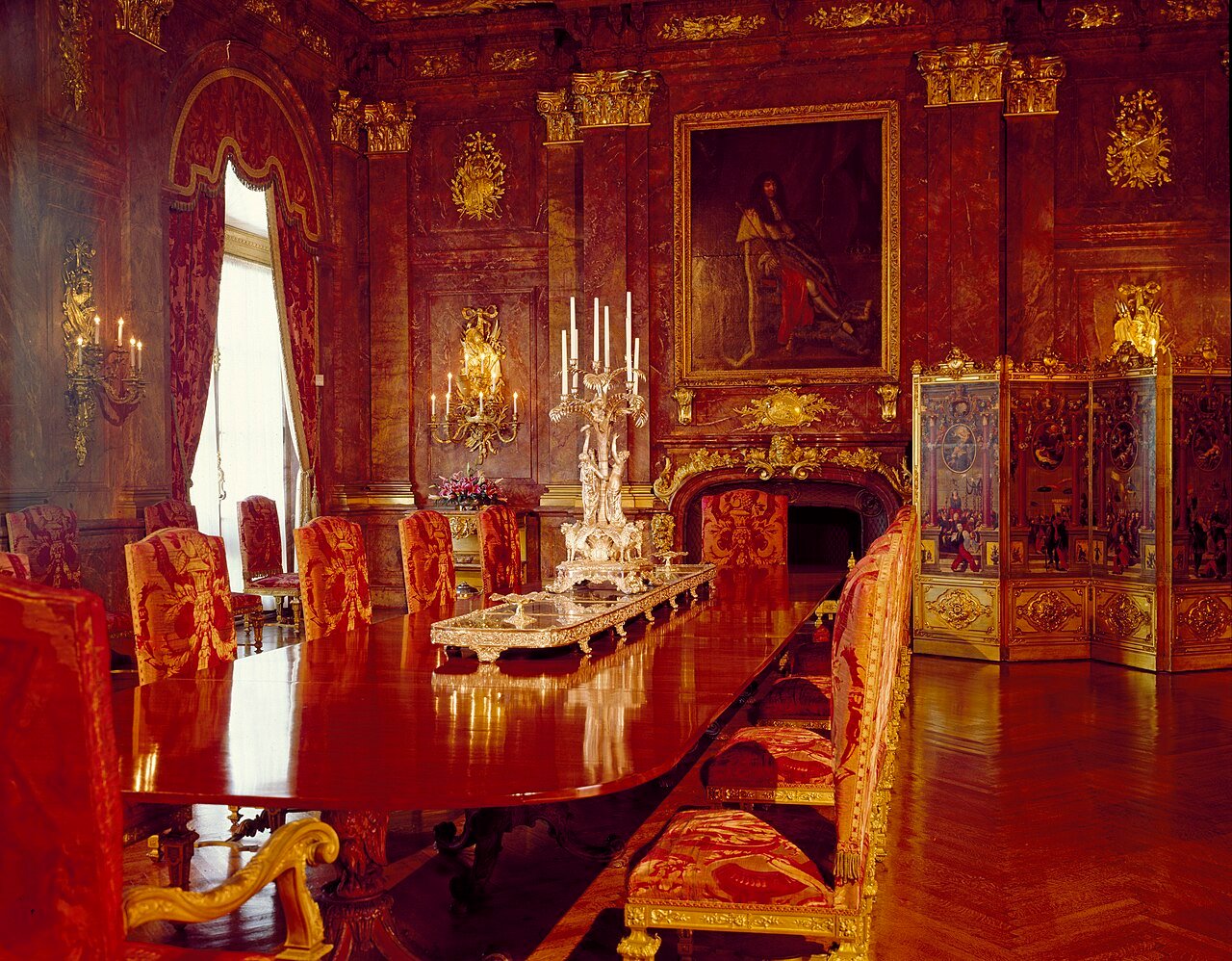
Their original plan had been to let the initial excitement die down before returning to Newport, but “second thought is said to have convinced Mr. Geraghty” that such a strategy would prove futile. The automobile businessman, who already had connections in Springfield’s growing industrial economy, recognized that his wife’s family connections could not overcome the fundamental class divide that Newport’s elite would never forgive.
Springfield offered the couple something Newport never could: anonymity and the possibility of building a life based on merit rather than pedigree. The city’s thriving manufacturing sector, including a growing automobile industry, provided opportunities for Geraghty to establish himself professionally without the constant reminder of his social origins.
Vanderbilt Niece Flees to Springfield
The Geraghty elopement represented more than a romantic scandal—it embodied the tensions between America’s entrenched aristocracy and the rising middle class of the early 20th century. While Newport’s elite clung to European-style social distinctions, the broader American economy was creating new pathways to prosperity that didn’t require inherited wealth or family connections.
The couple’s decision to permanently relocate rather than seek acceptance highlighted the rigid nature of Newport society and the limited options available to those who violated its unwritten rules. By choosing Springfield over submission to social ostracism, they rejected the notion that family background should determine life possibilities.
Their story also illuminated the growing mobility of Americans in this era, when improved transportation and expanding industrial opportunities made it possible for couples like the Geraghtys to literally escape the constraints of their birthplace and reinvent themselves elsewhere.
Newport’s Gilded Cage Social Order
The Geraghty case foreshadowed the eventual decline of Newport’s Gilded Age society, which would be further weakened by World War I, the income tax, and changing social values. Today’s Newport, now largely a tourist destination showcasing preserved mansions as museums, stands as a reminder of how even the most rigid social hierarchies can crumble when economic and cultural forces shift.
Sources
- The Washington Times, August 14, 1911 — Library of Congress