

Irish Americans Honor Executed Patriot Patrick O’Donnell with Memorial Mass in 1884
1884United States
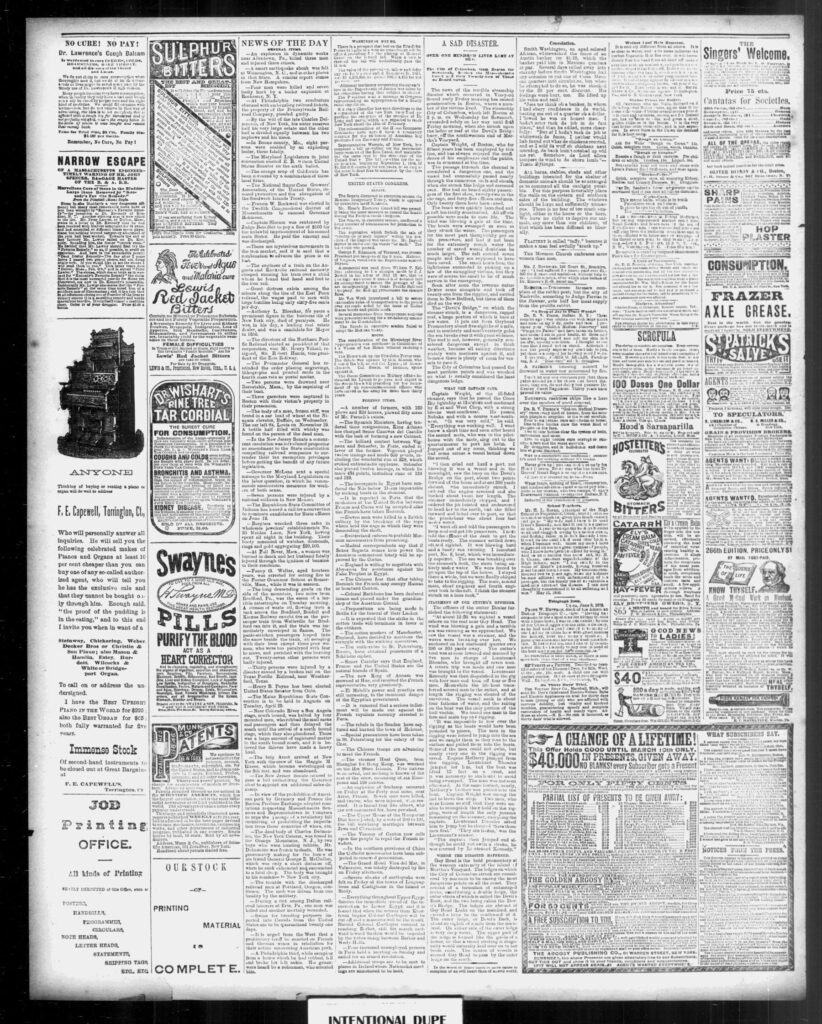
In churches and community halls across America, Irish immigrants gathered in January 1884 to honor a man they considered a martyr to their homeland’s cause. Patrick O’Donnell, executed in London just weeks earlier, had become a rallying point for Irish-American communities still reeling from the loss of their nationalist hero.
Ancient Order of Hibernians Continues Tradition
Patrick O’Donnell’s story embodied the complex relationship between Irish nationalism and the growing Irish diaspora in America. Executed in London on December 17, 1883, O’Donnell had been convicted for his role in Irish nationalist activities that the British government deemed treasonous. His case had attracted international attention, including support from prominent figures like Victor Hugo, the renowned French author who had become an unlikely advocate for Irish independence.
The Irish-American community, numbering in the millions by 1884, maintained deep emotional and political connections to their homeland’s struggle against British rule. These immigrants, many of whom had fled poverty and persecution, saw O’Donnell’s execution as another injustice perpetrated by the same system that had driven them from Ireland.
“Sacred to the memory of Patrick ODonnell executed in London on the 17th of December 1883
— The Indianapolis Journal, January 23, 1884
Twenty-Five Pounds Raised for Monument Fund
On January 23, 1884, Irish-American communities organized elaborate memorial services for O’Donnell. The ceremonies began with “mass for the repose of the soul of ODonnell,” according to contemporary newspaper accounts. Following the religious service, organizers held a mock funeral complete with a symbolic coffin that bore the inscription “Sacred to the memory of Patrick ODonnell executed in London on the 17th of December 1883.”
FROM THE ARCHIVE
Like reading history this way?
Get one of these stories delivered every day. Free.
SUBSCRIBE →The coffin was ceremoniously placed in what newspapers described as “the ODonnell family burying plot,” decorated with “wreaths of immortelles”—the everlasting flowers traditionally used for memorials. The service demonstrated the Irish-American community’s ability to create meaningful ritual spaces even for those they could not physically bury.
The memorial gathering also served practical purposes. Attendees “subscribed” twenty-five pounds to establish a fund for erecting a permanent monument to O’Donnell. This fundraising effort reflected the community’s commitment to ensuring their hero would not be forgotten, even in exile from his homeland.
January 23rd Memorial Mass and Mock Funeral
The memorial services revealed the sophisticated organizational networks that connected Irish-American communities across the United States. The coordinated nature of these ceremonies, along with their religious and political components, demonstrated how immigrant communities maintained cultural identity while adapting to American civic traditions.
The gathering also passed resolutions with broader implications for Irish-American political involvement. Participants formally thanked “Americans for assistance” and extended gratitude “to Victor Hugo for his advocacy of the cause of Ireland.” These resolutions showed how Irish immigrants were learning to navigate American political culture while maintaining allegiance to their homeland’s struggle.
The memorial marked a significant moment in Irish-American identity formation. Rather than simply mourning O’Donnell’s death, the community transformed his execution into a catalyst for continued political engagement and cultural preservation. The fundraising for a monument demonstrated their intention to create lasting memorials that would educate future generations about Irish nationalist heroes.
O’Donnell’s London Execution Sparks Outrage
The O’Donnell memorial services established patterns of diaspora commemoration that persist today in Irish-American communities. Modern organizations like the Ancient Order of Hibernians continue to hold memorial services for Irish patriots, while Irish cultural centers across America maintain monuments and exhibits honoring figures like O’Donnell. The 1884 ceremonies helped create the template for how immigrant communities preserve historical memory while building new identities in America.
Sources
- The Indianapolis Journal, January 23, 1884 — Library of Congress